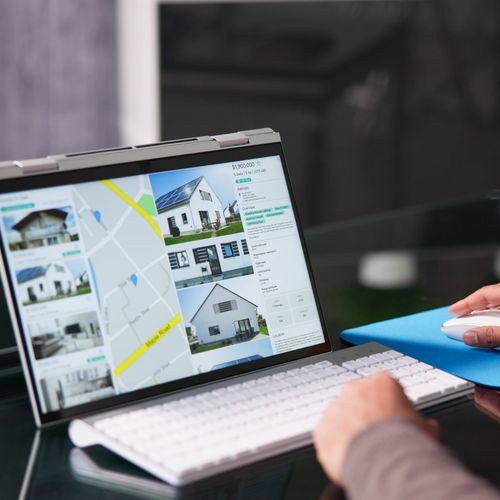

When preparing to purchase a home, most buyers focus on the listing price and down payment. However, the true cost of buying a home in Chicago suburbs goes far beyond those headline numbers. Many expenses don’t appear until later in the process—or even after closing—catching buyers off guard.
Understanding these hidden costs upfront helps buyers budget realistically, avoid financial stress, and make smarter long-term decisions.
Why Hidden Costs Matter in the Chicago Suburbs
The Chicago suburbs offer space, strong communities, and long-term value, but they also come with expenses that vary widely by location and property type. Taxes, fees, and ongoing ownership costs can differ significantly from one suburb to the next.
Being aware of the full range of Chicago suburbs homebuyer expenses allows buyers to evaluate affordability accurately rather than stretching budgets too thin.
Property Taxes: A Major Ongoing Expense
One of the biggest surprises for buyers moving to the suburbs is property taxes. Illinois property taxes are among the highest in the country, and suburban tax rates can vary dramatically.
Factors that influence taxes include:
-
School district funding
-
Municipality and township rates
-
Property value assessments
Two homes with similar prices can have very different annual tax bills depending on location. Property taxes directly impact your monthly payment and should always be reviewed before making an offer.
Closing Costs Buyers Often Underestimate
In addition to the down payment, buyers must plan for closing costs Chicago suburbs transactions typically require. These are one-time expenses paid at or before closing.
Common closing costs include:
-
Loan origination fees
-
Appraisal and credit report fees
-
Title insurance
-
Attorney fees
-
Recording and transfer taxes
Closing costs usually range from 2% to 5% of the purchase price, depending on the loan and transaction details.
Inspection and Due Diligence Costs
Home inspections are essential, but they’re not free. Buyers often pay out-of-pocket for inspections before closing, regardless of whether the deal moves forward.
Inspection-related costs may include:
-
General home inspection
-
Radon testing
-
Sewer scope
-
Specialized inspections for older homes
These are important Chicago suburbs homebuyer expenses that protect buyers from unexpected repairs later.
Maintenance and Repair Costs After Closing
Once you own the home, maintenance becomes your responsibility. Even move-in-ready homes require ongoing care.
Common post-purchase costs include:
-
HVAC servicing
-
Roof or gutter maintenance
-
Appliance repairs
-
Landscaping and snow removal
Older suburban homes may have charm, but they often come with higher upkeep costs that buyers should factor into long-term budgets.
Homeowners Insurance and Utilities
Insurance costs vary based on home size, location, and features such as pools or finished basements. Buyers should also budget for utilities, which can be higher in larger suburban homes.
Monthly ownership expenses may include:
-
Homeowners insurance
-
Electricity and gas
-
Water and sewer
-
Trash and recycling
These costs add up quickly and contribute to the overall cost of buying a home in Chicago suburbs.
HOA Fees and Special Assessments
Condos, townhomes, and some single-family communities include homeowners association (HOA) fees. These monthly or quarterly fees cover shared expenses but can significantly affect affordability.
HOA-related costs may include:
-
Monthly dues
-
Special assessments for repairs
-
Restrictions on improvements
Buyers should review HOA documents carefully to avoid surprises.
Moving and Setup Expenses
>The cost of moving is often overlooked, especially for buyers upgrading to larger homes.
Moving-related expenses include:
-
Professional movers or truck rental
-
Utility setup fees
-
Furniture or appliance purchases
While not part of the transaction itself, these are real costs buyers face immediately after closing.
Appraisal Gaps and Unexpected Cash Needs
In competitive markets, buyers may encounter appraisal gaps if a home appraises below the purchase price. This requires additional cash at closing if not negotiated otherwise.
Understanding this risk is an important part of planning for closing costs Chicago suburbs buyers may encounter in fast-moving areas.
Long-Term Financial Planning Matters
Buying a home is not just a short-term expense—it’s a long-term commitment. Buyers should consider how future changes in income, taxes, or maintenance needs could affect affordability.
Smart planning includes:
-
Emergency savings for repairs
-
Budgeting for tax increases
-
Planning for future resale
These considerations help buyers stay financially secure long after closing.
How to Prepare for the Full Cost of Ownership
Preparation is the best defense against unexpected expenses. Buyers can reduce stress by:
-
Reviewing tax histories early
-
Requesting estimated closing costs
-
Budgeting conservatively
-
Asking detailed questions during inspections
Understanding the full range of Chicago suburbs homebuyer expenses puts buyers in control of their financial decisions.
Conclusion
The purchase price is only one part of the equation. The true cost of buying a home in Chicago suburbs includes taxes, closing fees, inspections, maintenance, and ongoing ownership expenses that add up over time.
By planning for closing costs Chicago suburbs transactions require and accounting for hidden expenses, buyers can move forward with confidence and clarity. Knowing what to expect before you buy helps ensure your new home is a source of stability—not financial stress—for years to come.
Check out this article next