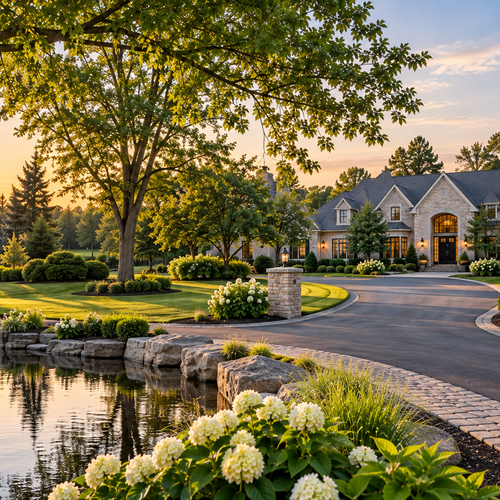

Older homes can be an important part of Long Grove's appeal. Established properties may offer distinctive architecture, mature landscaping, larger lots, custom details, and a sense of character that can be difficult to reproduce in newer construction.
However, buying an older home in Long Grove IL requires looking beyond charm and cosmetic finishes. Buyers should understand the condition of the home's major systems, previous renovations, water and septic systems where applicable, property drainage, ongoing maintenance, and how well the home has been adapted for modern living.
Buyers beginning their search can visit buying an older home in Long Grove IL for local real estate guidance from the Helen Oliveri Team.
Start With the Home's Actual Age and Improvement History
The year a home was built tells only part of its story. Two similarly aged Long Grove properties can be in dramatically different condition depending on maintenance, renovations, additions, and previous ownership.
Ask for available information about significant improvements and determine which major components remain original.
Look Beyond Cosmetic Renovations
A renovated kitchen or updated flooring may make a strong first impression, but buyers should also investigate less visible systems such as roofing, electrical, plumbing, HVAC, drainage, and structural components.
Ask When Major Work Was Completed
Knowing when additions, remodels, roofs, mechanical systems, windows, and other improvements were completed can help you understand what may require attention after purchasing.
Make the Home Inspection a Priority
A thorough inspection is valuable with any home, but it can be particularly informative when evaluating older homes Long Grove. Age alone does not determine condition, so buyers should focus on the actual performance and maintenance of the property.
An experienced inspector can help identify visible concerns and areas that may warrant evaluation by additional specialists.
Pay Attention to the Structure
Foundations, framing, floors, walls, and other structural components deserve careful attention, particularly when a home has undergone additions or substantial alterations.
Look for Signs of Water Problems
Basements, crawl spaces, grading, gutters, drainage systems, and areas around the foundation should be evaluated for evidence of current or previous moisture issues.
Understand the Electrical System
Electrical needs have changed substantially over time. An older home's system may have been upgraded in stages as new appliances, additions, lighting, and technology were introduced.
Buyers should understand the current electrical service, panel, visible wiring conditions, and whether previous improvements appear consistent with the home's modern electrical demands.
Don't Assume Renovated Means Fully Updated
A remodeled room does not necessarily indicate that the electrical infrastructure throughout the entire house was modernized at the same time.
Evaluate Future Needs
If you plan to add an electric vehicle charger, extensive home-office equipment, specialty appliances, or other electrical loads, determine whether additional upgrades may be necessary.
Investigate Plumbing and Mechanical Systems
Older homes may contain a combination of original and replacement plumbing, heating, cooling, and water-heating components. The condition and remaining useful life of these systems can affect your ownership budget.
Ask about maintenance history and determine whether specialized evaluation is appropriate for any system that raises questions during the inspection.
Check More Than the Fixtures
New faucets and bathroom finishes do not reveal the condition of plumbing behind walls or elsewhere in the property.
Review Heating and Cooling
Large or expanded homes may have multiple HVAC systems or different heating and cooling arrangements serving separate sections of the property.
Understand Well and Septic Systems When Applicable
Some Long Grove properties use private well and septic systems, making these important parts of due diligence when applicable to the home you are considering. Buyers unfamiliar with private systems should understand their condition, maintenance requirements, and how they differ from municipal utilities.
Appropriate testing and inspection can provide property-specific information before closing.
Evaluate the Well
Consider applicable water-quality testing and the condition and performance of the well system rather than assuming clear-looking water means there are no concerns.
Inspect the Septic System
Understand the system's location, maintenance history, condition, and relationship to any future plans you may have for the property.
Research Previous Additions and Renovations
Many established homes evolve over decades. Previous owners may have expanded kitchens, added bedrooms, finished lower levels, built garages, enclosed porches, or made other significant changes.
When buying historic homes Long Grove or other older properties, available documentation can help you understand how the house reached its current configuration.
Ask About Permits and Documentation
For significant additions or alterations, investigate available permit information and supporting records as part of your due diligence.
Look at How Additions Connect
Pay attention to differences in floors, ceilings, heating and cooling, rooflines, foundations, and room flow where newer portions meet the original structure.
Don't Overlook the Land
With many established Long Grove properties, the land can be nearly as important as the house. Mature trees, extensive landscaping, long driveways, drainage patterns, outdoor structures, and larger lots can all affect maintenance and usability.
A beautiful wooded setting should be evaluated practically as well as visually.
Evaluate Mature Trees
Large trees can provide privacy and character, but buyers may want to understand their condition, proximity to structures, and potential maintenance needs.
Watch How Water Moves Across the Property
Grading, low areas, drainage improvements, and the relationship between surrounding land and the foundation can be particularly important on larger properties.
Consider Whether the Floor Plan Fits Modern Life
Older homes may have room configurations that differ from today's open-concept designs. Separate formal rooms, smaller kitchens, multiple levels, additions, or fewer large closets may be part of the home's original character.
Instead of assuming the layout must be changed, consider whether it already works for your lifestyle and what modifications would genuinely improve its functionality.
Think Before Removing Walls
Major layout changes can involve structural, electrical, plumbing, flooring, and mechanical considerations. Obtain appropriate professional guidance before assuming a wall can be easily removed.
Look for Flexible Spaces
Formal rooms or secondary living areas may work well as offices, libraries, playrooms, guest spaces, or other uses that fit a modern household.
Explore Long Grove as Part of the Buying Decision
An older home should be evaluated within the context of its location. Lot setting, privacy, nearby roads, surrounding properties, access to everyday destinations, and the broader community can all influence how well the home fits your priorities.
Explore Long Grove homes and community information to learn more about local real estate and the area's distinctive residential settings.
Budget for Maintenance Beyond the Purchase Price
One of the most important parts of buying an older home in Long Grove IL is creating a realistic ownership budget. Even a well-maintained property may eventually require replacement or repair of major systems simply because of age.
Larger homes and lots can also increase the cost of routine services such as landscaping, exterior maintenance, tree care, snow removal, and mechanical servicing.
Separate Immediate Work From Future Projects
Identify issues that should be addressed promptly, improvements you would like to make eventually, and components that may simply need monitoring.
Keep a Reserve for Unexpected Repairs
A financial cushion can be particularly useful when purchasing a property with older systems or extensive grounds.
Understand What "Historic" Means for the Specific Property
An older home is not automatically a legally designated historic property. If a home is represented as historic or if preservation requirements are important to your plans, verify the property's actual status and any applicable restrictions.
This is especially important if you anticipate significant exterior alterations, additions, or redevelopment.
Verify Before Planning Major Changes
Research applicable municipal requirements, permits, easements, association rules, and any property-specific restrictions before assuming a renovation will be permitted.
Preserve Features That Add Character
Original millwork, fireplaces, doors, built-ins, hardware, and architectural details may contribute to the home's appeal when they are in good condition.
Think About Resale While You Evaluate Renovations
If you plan substantial updates, consider how your improvements will affect both your enjoyment of the home and its future marketability. Modern functionality can be valuable, but removing every distinctive feature may also eliminate some of the character that attracted buyers to the property in the first place.
A balanced renovation strategy can preserve architectural identity while addressing systems, condition, and functionality.
Conclusion: Buy the Condition, Character, and Property Together
When buying an older home in Long Grove IL, evaluate more than architectural charm. Major systems, inspections, renovations, well and septic considerations where applicable, drainage, mature landscaping, maintenance, and the functionality of the floor plan can all influence the ownership experience.
The appeal of older homes Long Grove and buying historic homes Long Grove often comes from features that newer properties cannot easily reproduce. Careful due diligence can help you understand which characteristics are valuable to you and which may require additional investment.
To learn more about the Helen Oliveri Team's experience helping buyers navigate distinctive Long Grove properties, visit our Long Grove real estate Google Business Profile and see what local clients have shared about working with the team.
Considering an Older Home in Long Grove?
Older and custom homes can offer remarkable character, land, and architectural details, but every property has its own maintenance and renovation history. Understanding those details before purchasing can help you make a more informed comparison between available homes.
Contact the Helen Oliveri Team to discuss your Long Grove home search and explore properties that fit your lifestyle, budget, and priorities.
Check out this article next