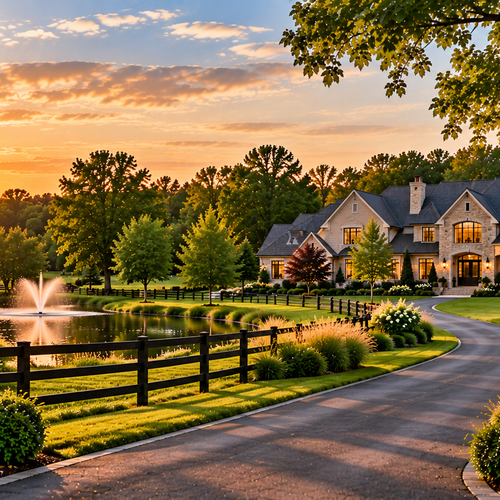

Long Grove's residential character includes homes with different architectural influences, ages, layouts, and levels of customization. For sellers, those differences can be an advantage, but they also mean a home should not always be marketed or priced exactly like a more conventional suburban property.
Understanding how architectural style affects home value in Long Grove starts with recognizing how design influences buyer appeal, functionality, comparable sales, renovation expectations, and the overall presentation of the property. A distinctive home may attract a narrower audience, but the right buyer may place considerable importance on the features that make it unique.
Homeowners preparing to sell can visit how architectural style affects home value in Long Grove for local real estate guidance from the Helen Oliveri Team.
Architectural Style Can Shape the Buyer Pool
Not every buyer responds to architecture in the same way. Some prefer traditional details and defined rooms, while others prioritize open layouts, large windows, contemporary finishes, or a stronger connection between indoor and outdoor spaces.
When selling a distinctive Long Grove property, understanding the buyers most likely to appreciate its design can influence the marketing strategy.
Distinctive Does Not Automatically Mean Less Desirable
A home does not need to appeal equally to every buyer. Strong architectural character can become a selling point when the property is presented to buyers who value those features.
Highly Personalized Design Can Narrow the Audience
Some architectural choices are more specific to individual tastes. Sellers should distinguish between features that create authentic character and modifications that may make it harder for buyers to envision the home as their own.
Long Grove Architectural Styles Should Be Compared Carefully
Long Grove architectural styles can vary considerably, so comparable sales should be evaluated beyond basic statistics such as square footage, bedrooms, bathrooms, and lot size.
A similarly sized home may provide a very different experience because of ceiling heights, room proportions, window placement, exterior materials, architectural details, or overall layout.
Architecture Can Affect Comparable Sales
When possible, sellers should examine properties that share meaningful characteristics with their home rather than assuming every nearby sale is equally relevant.
Condition Still Matters
Architectural character does not eliminate the importance of maintenance. Buyers may value an older or distinctive design while still considering the condition of roofing, windows, mechanical systems, exterior materials, and other major components.
Original Character Can Be an Asset
Architectural details that would be expensive or difficult to recreate can help a home stand apart. Quality millwork, masonry, distinctive windows, substantial fireplaces, custom built-ins, ceiling details, and other craftsmanship may contribute to the property's identity.
Before removing original features simply because they are not new, consider whether they are part of what makes the home memorable.
Preserve Features That Give the Home Identity
Updating a property does not necessarily require eliminating its architectural personality. Strategic improvements can sometimes make an older design more functional while retaining its strongest characteristics.
Floor Plan Can Matter as Much as Exterior Style
Buyers experience architecture from the inside as well as the curb. Room placement, circulation, ceiling heights, natural light, and connections between living areas can influence how easily buyers imagine themselves using the home.
When selling unique homes Long Grove sellers should help buyers understand unconventional spaces instead of assuming the layout will immediately make sense during a showing.
Defined Rooms Can Still Have a Purpose
A traditional floor plan may appeal to buyers who value separate offices, dining rooms, libraries, or quieter living spaces. Marketing should explain how those rooms function rather than treating them automatically as outdated.
Unusual Spaces Need Clear Presentation
Staging and furniture placement can demonstrate the intended use and scale of rooms that might otherwise be difficult for buyers to interpret.
Architecture and the Lot Should Work Together
In Long Grove, the relationship between the home and its surroundings can be particularly important. Mature landscaping, wooded views, larger lots, patios, gardens, and outdoor entertaining spaces may complement the architecture and strengthen the overall presentation.
A home designed to capture natural views or connect with outdoor areas should be marketed as a complete property rather than as an interior floor plan alone.
Highlight Views and Natural Light
Window placement, orientation, and sightlines can be important architectural features, especially when they frame mature trees or attractive outdoor spaces.
Show the Arrival Experience
For estate-style properties, the driveway, landscaping, exterior architecture, and approach to the home can contribute to the buyer's first impression before they reach the front door.
Renovations Should Respect the Home's Design
Sellers sometimes assume that extensive modernization is necessary before listing an architecturally distinctive home. In practice, renovations should be evaluated based on cost, condition, buyer expectations, and whether the proposed work complements the existing property.
A renovation that conflicts with the home's architecture can create an inconsistent appearance rather than increasing its appeal.
Focus on Cohesion
Materials, fixtures, flooring, cabinetry, and finishes do not need to be original, but they should ideally feel intentional within the broader design of the home.
Don't Renovate Solely to Follow a Trend
Design trends can change quickly. Before making an expensive pre-sale renovation, consider whether buyers are likely to value the improvement enough to justify the cost and time involved.
Photography Is Especially Important for Unique Architecture
Standard listing photography may not fully communicate a home with unusual proportions, custom details, dramatic ceilings, distinctive exterior lines, or extensive connections to the surrounding property.
Photography should help buyers understand both individual architectural features and how the spaces relate to one another.
Capture Architectural Details
Selected images can highlight craftsmanship, materials, windows, fireplaces, staircases, ceiling treatments, and other elements that distinguish the home.
Include Context
Wider images can help buyers understand room proportions, sightlines, and the relationship between indoor and outdoor spaces.
Video Can Help Explain an Unusual Floor Plan
Still photographs show individual rooms, but video can help buyers understand how those rooms connect. This can be particularly useful for custom homes where the layout does not follow a predictable suburban floor plan.
A well-planned property video can also showcase the approach to the home, exterior architecture, grounds, and transitions between indoor and outdoor living.
Pricing Should Reflect More Than Replacement Cost
Custom architectural elements may have required significant investment, but construction or renovation cost does not automatically translate dollar-for-dollar into resale value. Buyers evaluate the entire property relative to available alternatives.
Pricing should consider architecture alongside location, lot, condition, size, improvements, current competition, and relevant recent sales.
Avoid Overvaluing Personal Customization
A feature that was expensive to create may have been designed specifically for the current owner's preferences. The market determines how much value future buyers place on it.
Don't Ignore Hard-to-Recreate Features
At the same time, quality craftsmanship, distinctive architecture, mature grounds, and other difficult-to-reproduce characteristics should not be overlooked when positioning the property.
Tell Buyers Why the Architecture Matters
Listing descriptions for distinctive properties should do more than apply a style label. They should explain how the design affects daily living.
Instead of simply mentioning large windows, for example, marketing can describe the natural light or wooded views they create. Rather than listing a library or formal dining room without context, explain how those spaces support working, entertaining, or quiet time at home.
Connect Features to Lifestyle
Architecture becomes easier to appreciate when buyers understand how its features contribute to privacy, entertaining, outdoor living, work-from-home needs, or everyday comfort.
Understand Long Grove's Broader Residential Character
Architecture is only one component of a Long Grove property's appeal. Buyers may also be comparing wooded settings, acreage, privacy, mature landscaping, neighborhood characteristics, and proximity to local amenities.
Explore Long Grove homes and community information to better understand how individual properties fit within the area's broader residential market.
Prepare Buyers for What Ownership Involves
Distinctive architecture can sometimes involve materials, systems, or exterior details that require specialized maintenance. Sellers who have records for significant work, renovations, or major system replacements may find it helpful to organize that information before listing.
Clear documentation can give buyers better context about the home's history without making assumptions about future maintenance costs.
Gather Renovation and Maintenance Records
Permits where applicable, invoices, warranties, plans, and service records can be useful when buyers have questions about significant improvements or distinctive features.
Conclusion: Architectural Style Should Shape the Selling Strategy
Understanding how architectural style affects home value in Long Grove requires looking at more than a design label. Architecture can influence buyer appeal, floor-plan functionality, comparable sales, renovation decisions, photography, marketing, and how a home relates to its surrounding property.
When selling unique homes Long Grove homeowners can benefit from a strategy that explains why the property's design matters rather than trying to make every home look the same. Different Long Grove architectural styles can appeal to different buyers, making accurate positioning especially important.
To learn more about the Helen Oliveri Team's experience marketing distinctive properties in the area, visit our Long Grove real estate Google Business Profile and see what local clients have shared about working with the team.
Selling a Distinctive Long Grove Home?
Your home's architecture may be one of its strongest selling features when it is priced, presented, and marketed in a way that helps buyers understand its character. Evaluating the design alongside the lot, condition, improvements, and current competition can help create a more property-specific selling strategy.
Contact the Helen Oliveri Team to discuss how to position and market your Long Grove home for today's buyers.
Check out this article next