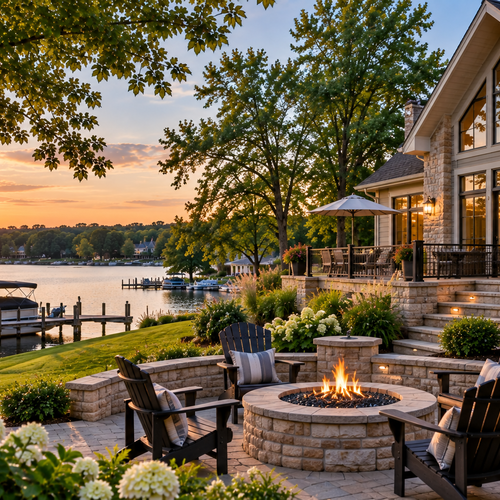

Custom luxury homes often stand out because they were designed around the preferences of the original owners rather than a standard floor plan. That individuality can be a major selling point, but it can also make pricing and marketing the property more complicated.
If you're determining how to sell a unique luxury home in Hawthorn Woods, the goal isn't to make the property feel more conventional. It's to identify what makes the layout valuable, show buyers how the spaces can function, and position the home for the audience most likely to appreciate it.
Working with a real estate professional who understands custom properties can make that process easier. Learn more about how to sell a unique luxury home in Hawthorn Woods with a strategy built around the property rather than a one-size-fits-all approach.
Start by Understanding What Makes the Floor Plan Unique
Before deciding whether anything needs to change, identify exactly how the floor plan differs from competing homes. A custom layout might include unusually large entertaining spaces, multiple offices, separate bedroom wings, specialty rooms, or transitions between spaces that aren't common in newer construction.
Some differences can be advantages when they are explained properly. Others may require thoughtful staging or marketing to help buyers understand how the space could work for them.
Separate Unusual From Impractical
A layout doesn't automatically have a problem simply because it is different. Features that initially seem unconventional may provide privacy, flexibility, or functionality that the right buyer values.
Identify the Original Purpose of Each Space
Understanding why a custom room or layout feature was created can help determine how to present it to today's buyers.
Determine How the Floor Plan Affects Home Value
There isn't a universal adjustment for an unconventional layout. The impact on unusual floor plan home value depends on how functional the design is, how it compares with nearby properties, and whether buyers can easily understand the benefits of the space.
A highly customized property can also be difficult to compare directly with recent sales. Instead of relying on price per square foot alone, sellers should consider lot characteristics, condition, updates, architectural quality, location, and other features that contribute to overall value.
Use the Right Comparable Properties
The closest house geographically isn't necessarily the best comparable. Similar custom homes with comparable quality, size, lot characteristics, and amenities may provide more useful context.
Avoid Pricing Based on Construction Cost
The amount originally invested in custom features doesn't necessarily determine what today's buyer will pay. Pricing should reflect current market conditions and how buyers perceive the property's overall value.
Don't Remodel the Floor Plan Without a Clear Reason
Sellers sometimes assume they need to change an unconventional layout before listing. Major renovations can be expensive, and redesigning a custom home without knowing whether buyers actually object to the existing layout can result in unnecessary spending.
Before removing walls or reconfiguring rooms, determine whether presentation alone could solve the issue.
Start With Smaller Changes
Paint, lighting, furniture placement, flooring updates, and decluttering can change how buyers experience a space without altering the architecture.
Consider the Return Before Renovating
If a structural change is being considered specifically for resale, compare the likely improvement in marketability with the cost, time, and disruption involved.
Use Staging to Explain the Layout
Staging is especially valuable when buyers may not immediately understand how to use a room. Furniture placement can establish scale, define traffic patterns, and give unconventional spaces an obvious purpose.
For example, an oversized landing might become a reading area, an unusual bonus room could be presented as a home office, and a large lower-level space could demonstrate several entertainment zones.
Give Every Important Room a Purpose
An empty or ambiguous space forces buyers to figure out what they would do with it. Thoughtful staging removes that uncertainty.
Keep Sightlines Open
Furniture should help buyers understand how rooms connect rather than making an already unusual layout feel more complicated.
Market the Benefits Instead of Apologizing for the Differences
The marketing language used for a custom home matters. Describing a floor plan as awkward or unusual can frame the property negatively before buyers have even experienced it.
Instead, marketing should explain what the design allows someone to do. Separate living areas might provide privacy, additional rooms may support working from home, and expansive entertaining areas can become important lifestyle features.
Sellers can also explore the Hawthorn Woods luxury real estate market to better understand how custom residences, larger properties, and distinctive homes fit within the community.
Sell the Lifestyle Behind the Design
Show buyers how the home supports entertaining, working, relaxing, hosting guests, or accommodating different household needs.
Highlight Features Buyers Can't Easily Replicate
Custom architectural details, generous room sizes, distinctive outdoor settings, and specialty spaces can help differentiate the property from more conventional homes.
Use Photography and Video to Make the Layout Clear
Photography for a custom home should do more than make individual rooms attractive. The visual marketing should help buyers understand how the rooms connect and how the property flows from one space to another.
Video can be particularly useful when still photographs don't fully communicate the layout. A well-planned property tour can guide buyers naturally through the home while drawing attention to the purpose of distinctive spaces.
Photograph the Connections Between Rooms
Wider perspectives and intentional angles can make it easier for buyers to understand how adjoining spaces relate to one another.
Create a Logical Video Tour
A property video should follow a natural sequence instead of jumping between disconnected rooms, especially when the home's design is less conventional.
Target Buyers Who Will Appreciate the Property
One of the most important parts of selling custom homes in Hawthorn Woods is recognizing that not every buyer is looking for the same thing. A distinctive property may appeal strongly to a smaller group of buyers whose priorities match what the home offers.
Marketing should emphasize those features rather than trying to make the property look like every other luxury listing.
Think About Who Benefits From the Layout
A home with multiple offices, separate living areas, generous guest accommodations, or flexible recreation spaces may be especially appealing to buyers seeking those specific features.
Reach Beyond Buyers Already Searching Nearby
Strong digital marketing can introduce a distinctive Hawthorn Woods property to buyers who may not have initially limited their search to one neighborhood or community.
Be Prepared for Different Buyer Reactions
A unique floor plan can produce stronger differences of opinion than a conventional layout. One buyer may immediately connect with a feature that another buyer doesn't need.
That makes showing feedback particularly useful. Instead of reacting to one person's opinion, look for recurring patterns that may reveal whether pricing, staging, or marketing needs to be adjusted.
Look for Patterns in Feedback
If several qualified buyers raise the same concern, it may be worth addressing through presentation, pricing, or additional explanation.
Don't Redesign for Every Comment
Individual preferences vary widely, especially with custom homes. Changes should be based on meaningful market feedback rather than isolated opinions.
Price the Home to Encourage the Right Attention
Pricing a distinctive property requires careful analysis because there may be fewer directly comparable sales. Pricing too high can reduce early interest, while pricing without recognizing meaningful custom features may fail to reflect the home's strengths.
The strategy should account for the complete property, including condition, lot, location, improvements, architecture, amenities, and how the floor plan compares with alternatives currently available to buyers.
Consider the Competition
Buyers will compare your property with other homes available within their budget, even when those homes have very different layouts.
Position the Home From the Beginning
A clear pricing and marketing strategy at launch can help attract buyers who understand the property's value rather than forcing the listing to overcome an inaccurate first impression later.
Conclusion: A Unique Floor Plan Needs a Unique Selling Strategy
Understanding how to sell a unique luxury home in Hawthorn Woods starts with recognizing that different doesn't necessarily mean undesirable. Custom layouts can offer flexibility, privacy, entertaining space, and architectural character that conventional properties may not provide.
The key is determining how the design influences unusual floor plan home value, presenting each space clearly, pricing the entire property appropriately, and marketing the features to buyers who are most likely to appreciate them.
If you're considering selling custom homes in Hawthorn Woods, visit the Helen Oliveri Real Estate Google Business Profile to learn more about the team's local experience and read client reviews.
Need a Strategy for Your Unique Hawthorn Woods Home?
A custom home shouldn't be marketed with a generic plan. Before making major renovations or changing the floor plan, it helps to understand how today's buyers may perceive the property and which features deserve the most attention.
If you're preparing to sell a distinctive Hawthorn Woods property, contact the Helen Oliveri Team to discuss pricing, preparation, presentation, and a marketing strategy tailored specifically to your home.
Check out this article next