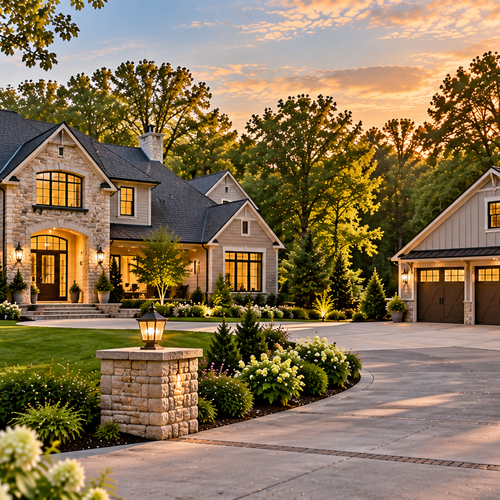

Comparing custom homes can be more complicated than comparing properties built from similar plans in the same development. Differences in architecture, construction, lot characteristics, renovations, materials, and maintenance can make two Kildeer homes with similar prices difficult to evaluate side by side.
Understanding how to compare custom homes in Kildeer requires looking beyond square footage and finishes. Buyers should consider the quality and functionality of the home, the property it sits on, major systems, improvement history, ongoing maintenance, and characteristics that would be difficult to change after closing.
A thoughtful approach to how to compare custom homes in Kildeer can help you determine where meaningful differences exist before deciding what a particular property is worth to you.
Start With the Features You Cannot Easily Change
Custom homes often contain impressive finishes that immediately attract attention, but countertops, paint, lighting, and many decorative elements can be replaced. Location, lot configuration, home orientation, and much of the underlying structure are considerably harder to change.
Before becoming focused on interior details, evaluate whether the property's fundamental characteristics work for your household.
Compare the Lots Separately
Consider lot size, usable outdoor space, topography, mature landscaping, privacy, views, drainage, setbacks, and the relationship with neighboring properties. Two similarly sized lots can provide very different experiences.
Evaluate Home Placement
Where the residence sits on the lot can influence natural light, backyard usability, privacy, driveway configuration, views, and how the property feels from the street.
Compare Floor Plans Based on Daily Function
Custom architecture can produce distinctive layouts, but distinctive does not automatically mean practical for every buyer. Walk through each home while thinking about how your household would actually use the rooms.
Consider kitchen circulation, bedroom placement, home-office needs, storage, entertaining areas, garage access, laundry locations, and transitions between indoor and outdoor spaces.
Look Beyond Total Square Footage
A larger home can sometimes feel less functional if too much space is devoted to rooms you rarely expect to use. A somewhat smaller property with an efficient layout may better match your priorities.
Identify Expensive Layout Changes
If a floor plan would require substantial structural alterations to work for you, include that potential expense and disruption when comparing it with another home that already provides the desired configuration.
Understand What "Custom" Actually Means for Each Home
The term custom can describe properties with very different construction histories. Some homes were individually designed around a specific site and owner, while others may incorporate varying levels of customization.
Rather than relying on the label, focus on the home's actual construction, materials, design, documentation, and current condition.
Ask About the Builder and Construction History
When information is available, understanding who built the home and when major improvements were completed can provide useful context for further investigation.
Separate Original Features From Later Renovations
A custom home may have been modified substantially since it was built. Determine which portions are original and which have been renovated so you can evaluate the property as it exists today.
Compare Condition, Not Just Appearance
A recently updated interior can create a strong first impression, but visible finishes represent only part of the property. Roofing, HVAC equipment, windows, plumbing, electrical components, exterior materials, drainage, and other systems can have a greater impact on future ownership costs.
This is where careful luxury home due diligence becomes especially important.
Look for Differences in Major Systems
One property may have a newer kitchen while another has more recently replaced mechanical equipment or exterior components. Comparing the likely timing of future expenses can provide a more complete picture than comparing renovations alone.
Don't Confuse New With Better
Recent work should still be evaluated for quality. Materials, workmanship, installation, and appropriateness for the home can matter as much as the date an improvement was completed.
Evaluate Privacy From Inside and Outside
Privacy is not determined by acreage alone. Mature landscaping, home orientation, setbacks, neighboring structures, road exposure, and the placement of outdoor living areas can all change how secluded a property feels.
Walk through the rooms where you expect to spend the most time and look through the windows. Then evaluate patios, decks, pools, lawns, and other outdoor areas from multiple viewpoints.
Think About Seasonal Changes
Trees and landscaping may provide substantial screening during warmer months but less privacy after leaves fall. Consider the property throughout the year rather than judging it only by current conditions.
Listen as Well as Look
Visual screening does not necessarily eliminate surrounding noise. Spending time outside can provide additional insight into the property's setting.
Consider the Cost of Maintaining Custom Features
Custom homes may include extensive landscaping, specialized exterior materials, large windows, elaborate millwork, pools, outdoor kitchens, multiple HVAC zones, or other features requiring ongoing care.
During Kildeer custom home buying, consider not only whether you like these features but also whether their maintenance requirements fit your expectations.
Ask About Service History
Available records for major systems and specialty features can help you understand how the property has been maintained and what may require attention in the future.
Include the Grounds in Your Comparison
Large lawns, mature trees, long driveways, irrigation, extensive landscaping, and outdoor amenities can create an appealing setting while also adding recurring maintenance responsibilities.
Compare Location Within Kildeer
Even when two properties share the same community name, their surroundings and everyday convenience may differ. Consider the routes you expect to use regularly and how each home connects with shopping, dining, employment, recreation, and neighboring communities.
Also evaluate the immediate setting. Road exposure, neighboring properties, lot configuration, and the surrounding residential environment can influence both everyday enjoyment and future marketability.
Explore Kildeer homes and community information as you compare custom properties and determine which locations align with your priorities.
Review Renovations With the Whole Home in Mind
Custom homes often evolve over time. Kitchens may be remodeled, bathrooms updated, basements finished, outdoor areas expanded, or floor plans modified.
Instead of counting renovations, evaluate how successfully they integrate with the original property.
Look for Consistency
Materials and design do not need to be identical throughout the home, but major improvements should feel intentional rather than disconnected from the surrounding architecture.
Investigate Significant Alterations
For substantial additions or modifications, buyers can request available information and determine whether further review of permits, plans, or other documentation is appropriate.
Use Inspections to Understand the Specific Property
Custom construction can include features and systems that differ from one property to another. A thorough inspection process helps buyers move beyond visual impressions and better understand the home's current condition.
Depending on the property, additional specialized evaluations may also be appropriate. The scope of luxury home due diligence should reflect the actual features and circumstances of the home rather than following a one-size-fits-all checklist.
Pay Attention to Specialty Features
Pools, generators, fireplaces, wells, septic systems, extensive exterior structures, specialty mechanical equipment, or other property-specific components may warrant additional attention when present.
Use Findings to Understand Ownership
Inspection information can help buyers identify maintenance needs, potential future expenses, and questions requiring further investigation before proceeding.
Compare Future Projects Before Comparing Offer Prices
A lower asking price does not necessarily mean a property will cost less to own. If one home requires substantial renovations, exterior work, landscaping improvements, or replacement of major systems, those projects can change the financial comparison.
Create a realistic picture of what you would want to address during the first several years of ownership.
Separate Immediate Work From Optional Upgrades
Aging mechanical equipment and necessary repairs belong in a different category from cosmetic changes you simply prefer. Keeping those categories separate can make comparisons clearer.
Consider Disruption as Well as Cost
A renovation may be financially manageable but still require months of planning and construction. Decide how much work you are comfortable undertaking after closing.
Revisit the Strongest Candidate Before Making an Offer
Custom homes contain enough detail that a second showing can be especially useful. Once the initial excitement has passed, return with a more analytical perspective and revisit the areas most important to your decision.
Look again at room dimensions, storage, privacy, lot usability, condition, outdoor spaces, and any features that raised questions during the first visit.
Compare Your Notes, Not Just Your Memory
Using the same categories for each property can prevent a dramatic kitchen, impressive foyer, or beautiful backyard from overshadowing less obvious considerations.
Focus on Difficult-to-Change Differences
As you narrow the search, give additional weight to characteristics such as location, lot, privacy, architecture, and fundamental layout because those are generally harder to alter than cosmetic finishes.
Build Your Offer Around the Individual Home
Once you have compared the strongest candidates, the next step is evaluating the specific property in the context of relevant market information and your own priorities. Custom homes often require more nuanced comparisons because another property may not match feature for feature.
Understanding those differences can help you approach an offer with a clearer view of what you are purchasing rather than relying on square footage or list price alone.
Compare the Complete Property Before You Decide
Knowing how to compare custom homes in Kildeer means evaluating the combination of house, land, location, condition, construction, privacy, and future ownership requirements. The most visually impressive property may not necessarily be the one that best matches your priorities.
A careful Kildeer custom home buying process should distinguish cosmetic differences from fundamental ones and incorporate appropriate luxury home due diligence before major decisions are made.
For additional insight into buying luxury real estate in Kildeer and surrounding Lake County communities, visit the Helen Oliveri Real Estate Google Business Profile to explore local experience and client reviews.
Comparing Custom Homes in Kildeer?
Custom properties are rarely identical enough for a simple side-by-side comparison. Understanding which differences affect your lifestyle, future expenses, and long-term ownership can help you approach the decision more confidently.
If you're comparing custom homes before making an offer, contact the Helen Oliveri Team for personalized guidance evaluating Kildeer properties and navigating your home search.
Check out this article next