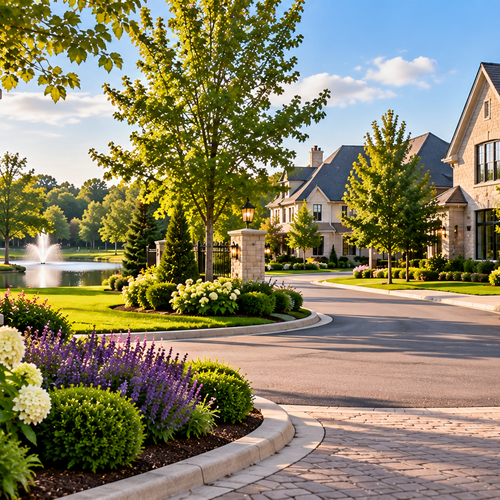

A spacious backyard can be one of the most appealing features of a luxury property, particularly when it provides room for entertaining, recreation, gardens, mature landscaping, or quiet outdoor living. Yet acreage and attractive listing photographs do not necessarily tell buyers how well an outdoor space will function after they move in.
When evaluating a backyard when buying a home in Kildeer IL, consider how the property balances three important priorities: the way you want to use the space, the amount of privacy it provides, and the time and expense required to maintain it. Looking carefully at these factors during the buying process can help you distinguish an impressive backyard from one that genuinely fits your lifestyle.
If outdoor living is an important part of your home search, visit evaluating a backyard when buying a home in Kildeer IL for local guidance on comparing luxury homes, lots, and lifestyle features.
Start With How You Actually Want to Use the Backyard
Before comparing patios, lawns, pools, and landscaping, define what you want your backyard to accomplish. A buyer who regularly hosts large gatherings will evaluate a property differently from someone who primarily wants privacy, gardens, or a quiet outdoor retreat.
Creating a short list of priorities can prevent you from being distracted by impressive amenities that may not contribute much to your everyday life.
Think About Typical Gatherings
Consider the number of people you normally entertain rather than planning exclusively around the largest event you might host every few years. A well-designed patio for frequent gatherings may be more useful than an enormous entertainment area that rarely gets used.
Separate Must-Haves From Future Possibilities
Decide whether features such as a pool, outdoor kitchen, fire feature, sports area, or extensive gardens are essential now or simply improvements you might consider later.
Evaluate the Connection Between the House and Backyard
The best outdoor spaces generally feel connected to the home's primary living areas. A beautiful patio becomes less convenient if reaching it requires navigating through an inconvenient part of the house or carrying food and drinks a long distance from the kitchen.
When touring Kildeer luxury outdoor living spaces, pay attention to doors, pathways, stairs, sightlines, and the relationship between interior entertaining areas and the yard.
Check Access From the Kitchen
If outdoor dining is important, direct or convenient kitchen access can make entertaining significantly easier. Consider how naturally guests and hosts would move between indoor and outdoor areas.
Look for Multiple Access Points
Additional access from a family room, finished lower level, mudroom, or pool area may improve functionality, particularly on larger properties.
Look Closely at Patio Size and Layout
A patio can appear substantial when empty but feel crowded once it contains dining furniture, lounge seating, a grill, planters, and circulation space. Evaluate usable dimensions rather than relying on visual impressions alone.
Think about whether the existing hardscape can accommodate the way you expect to entertain.
Imagine the Furniture in Place
Consider where dining tables, seating groups, grills, and other furnishings would go while still leaving comfortable pathways between them.
Notice Changes in Elevation
Steps and multiple patio levels can create attractive zones, but they may also influence furniture placement, accessibility, and the flow of larger gatherings.
Consider Sun, Shade, and Backyard Orientation
The amount of sunlight an outdoor area receives can change dramatically throughout the day. A patio that feels comfortable during a morning showing may receive strong afternoon sun, while another area may remain shaded for much of the day.
Orientation can affect entertaining, gardening, pool use, lawn conditions, and even how often you choose to spend time outside.
Ask When the Patio Receives Direct Sun
If possible, visit the property at a different time of day or consider the home's orientation to understand changing sun exposure.
Evaluate Natural and Built-In Shade
Mature trees, covered patios, pergolas, umbrellas, and other features can improve comfort, but each option also comes with different maintenance considerations.
Assess Privacy From the Places You Will Actually Use
Lot size alone does not determine backyard privacy. The placement of neighboring homes, second-story windows, elevated decks, landscaping, topography, and outdoor gathering areas can all affect how secluded a property feels.
Instead of standing only near the back door, walk throughout the spaces you would use most frequently.
Sit or Stand Where Furniture Would Go
Evaluate sightlines from the patio, pool, fire pit, lawn, and other important areas. A yard that appears private from inside the house may feel different once you are outside.
Look Up as Well as Across
Mature landscaping may screen neighboring ground-level spaces while leaving direct views from upper-story windows. Consider privacy in three dimensions rather than simply measuring distance between lots.
Study Mature Trees and Landscaping
Established trees and landscaping can give a luxury property character, shade, privacy, and seasonal interest that would take years to reproduce. They can also represent a meaningful maintenance responsibility.
Buyers should appreciate the benefits while evaluating the condition and location of major landscape features.
Notice Trees Near the House
Large trees near roofs, driveways, patios, retaining walls, or other structures may deserve closer evaluation. If tree health or safety is a concern, consider obtaining advice from an appropriately qualified professional.
Think Beyond Summer Privacy
Deciduous trees and shrubs may provide excellent screening when fully leafed out but considerably less privacy during colder months. Evergreen screening can create a different year-round experience.
Pay Close Attention to Drainage
Drainage is one of the less glamorous but more important aspects of evaluating a backyard when buying a home in Kildeer IL. Larger lots, grading, downspouts, landscaping, hardscaping, and neighboring elevations can all influence how water moves across a property.
A beautifully landscaped yard may still require careful evaluation if water consistently collects near the home or in areas you intend to use.
Look for Visible Clues
Persistently wet areas, erosion, standing water, damaged landscaping, unusual grading, or extensive drainage infrastructure can be reasons to ask additional questions.
Understand Existing Drainage Features
If the property includes drains, swales, pumps, retaining structures, or other water-management features, determine what they do and how they have been maintained. Significant concerns may warrant professional evaluation.
Inspect Hardscaping as Carefully as Landscaping
Patios, walkways, retaining walls, outdoor steps, driveways, and other hardscape features contribute substantially to both appearance and functionality. Repairing or replacing extensive hardscaping can also become a meaningful ownership expense.
During a showing, look beyond attractive materials and consider their apparent condition.
Watch for Movement and Deterioration
Uneven surfaces, substantial cracking, loose materials, settlement, or drainage problems may justify closer inspection.
Consider Winter Conditions
Outdoor surfaces that work beautifully in summer still need to withstand freezing temperatures, snow, ice, and seasonal maintenance. Ask about care requirements for specialty materials.
Evaluate Pools as Complete Systems
A pool can transform a backyard into a major recreational and entertaining destination, but buyers should evaluate more than its appearance. Equipment, surfaces, decking, safety features, heating, covers, and maintenance requirements can all affect ownership.
If a pool is an important part of the property, consider an appropriate specialized inspection during due diligence.
Ask About Equipment and Service History
Available maintenance and repair records can provide useful context about how the pool has been cared for and whether significant components have been replaced.
Estimate Realistic Usage
Consider how frequently your household expects to use the pool compared with the maintenance, seasonal preparation, utilities, and professional services it may require.
Review Outdoor Kitchens and Built-In Features
Outdoor kitchens, fireplaces, fire pits, lighting systems, audio equipment, televisions, and built-in heaters can make entertaining more convenient, but these amenities should be evaluated as property systems rather than décor.
Understand which components are permanently installed, what utilities serve them, and whether they appear to function as intended.
Ask How Features Are Winterized
Illinois weather makes seasonal care important for certain outdoor plumbing, appliances, water features, and other equipment.
Consider Replacement Practicality
Built-in equipment can be convenient, but unusual sizes or custom installations may make eventual replacement more complicated than replacing freestanding appliances.
Understand Irrigation and Landscape Lighting
Large landscaped properties may rely on irrigation systems to maintain lawns, gardens, and planting beds. Landscape lighting can also be an important part of the property's evening appearance and outdoor usability.
Both systems deserve attention when estimating backyard maintenance for estate homes.
Ask About Irrigation Zones and Controls
Determine what areas are served, how the system is controlled, and whether available service records reveal recurring repairs or recent upgrades.
See the Property After Dark When Possible
Exterior lighting can influence both entertaining and security. If landscape lighting is an important feature, understanding its nighttime effect may be useful.
Think About Lawn and Garden Maintenance
A large lawn can provide recreation and visual openness, while extensive gardens can create character and seasonal beauty. Both require varying levels of attention.
Buyers should decide whether they want to perform that work personally, hire professionals, or simplify portions of the landscape after purchasing.
Ask What the Current Owners Maintain
Information about lawn care, seasonal cleanup, pruning, fertilization, irrigation, and other recurring services can help buyers understand the property's existing maintenance routine.
Consider Fall and Spring Work
A mature landscape can require significant seasonal cleanup. Properties with numerous large trees may produce substantial leaves, branches, and other debris at different times of year.
Evaluate the Backyard in More Than One Season
Listing photographs sometimes provide useful clues about how a property changes throughout the year. A backyard photographed in midsummer may look very different after leaves fall, while a winter showing may not reveal the full impact of gardens and mature landscaping.
Ask whether additional seasonal photographs are available if the grounds are an important part of your purchase decision.
Consider Seasonal Privacy
Vegetation that completely screens neighboring properties during summer may provide substantially less separation in winter.
Consider Seasonal Use
Covered outdoor areas, fire features, lighting, and other amenities may extend the useful season of an outdoor space, depending on weather and personal preferences.
Investigate What You Could Change Later
A backyard does not have to be perfect on the day you purchase the home. If the lot has the right fundamentals, you may be able to add landscaping, modify a patio, create an outdoor kitchen, or pursue other improvements later.
However, buyers should investigate feasibility before assuming a major future project will be possible.
Review Property Constraints
Setbacks, easements, drainage areas, utility infrastructure, private well or septic components where applicable, association rules, and local requirements may affect where improvements can be placed.
Research Major Projects Before Purchasing
If your decision depends on being able to add a pool, substantial structure, or other significant improvement, consult the appropriate professionals and authorities during due diligence rather than relying on visual assumptions.
Estimate the Total Maintenance Commitment
One of the most important questions is not whether you can maintain the backyard, but whether you want to. Large lawns, mature trees, extensive gardens, pools, irrigation, hardscaping, outdoor kitchens, and other amenities can create a substantial list of recurring tasks.
Understanding backyard maintenance for estate homes before buying can help prevent an impressive outdoor space from becoming an unwanted responsibility.
List Recurring Services
Consider lawn care, landscaping, tree maintenance, pool service, irrigation, seasonal cleanup, snow-related needs for outdoor surfaces, and repairs to hardscape or exterior equipment.
Plan for Long-Term Capital Expenses
Some outdoor features will eventually require major repair or replacement. Patios, retaining walls, pool components, decks, fencing, lighting, and mature trees should be considered as part of the property's long-term ownership budget.
Compare the Backyard With the Rest of the Property
An extraordinary backyard can be compelling, but it should still fit the larger home-buying decision. Consider whether the interior layout, location, condition, garage, mechanical systems, and other property characteristics meet your needs as well.
Explore the Kildeer homes and community guide to learn more about local real estate and the types of residential settings available throughout the area.
Don't Buy the Backyard Alone
A spectacular outdoor setting may be difficult to reproduce, but buyers should still consider the cost and practicality of any significant changes needed elsewhere in the property.
Compare Outdoor Spaces Between Properties
Touring several homes can help clarify whether you prefer more open lawn, heavier tree cover, extensive entertaining amenities, simpler landscaping, or a combination of these features.
Conclusion: Evaluate the Backyard as Part of Everyday Ownership
When evaluating a backyard when buying a home in Kildeer IL, look beyond acreage and listing photography. Consider how easily the space connects with the home, whether it supports the way you entertain, how private it feels from important outdoor areas, and what will be required to maintain it over time.
The best Kildeer luxury outdoor living spaces are not necessarily those with the greatest number of amenities. For many buyers, the strongest backyard is the one that provides the right combination of usable space, privacy, attractive surroundings, manageable upkeep, and flexibility for the future.
For additional local insight and client experiences, visit the Helen Oliveri Real Estate Google Business Profile to learn more about the team's experience helping buyers evaluate distinctive Kildeer properties.
Searching for a Kildeer Home With Exceptional Outdoor Space?
A backyard can have a major influence on how a luxury home functions and how much responsibility comes with owning it. Evaluating privacy, entertaining areas, landscaping, drainage, outdoor systems, and long-term upkeep can help you compare properties more effectively.
If you're searching for a Kildeer home with outdoor space that fits your lifestyle, contact the Helen Oliveri Team for personalized guidance throughout your luxury home search.
Check out this article next