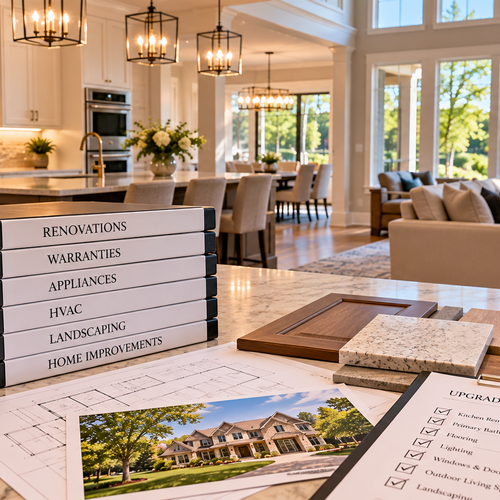

Choosing between a newer home and a property that needs renovation can shape both the buying experience and the years that follow. A move-in-ready home may offer convenience and predictability, while a fixer-upper may provide an opportunity to customize the property and potentially improve it over time.
When comparing buying a newer home vs fixer-upper in Wauconda IL, buyers should look beyond the listing price. Renovation costs, project timelines, inspection findings, financing, contractor availability, neighborhood fit, and long-term maintenance can all affect which option makes more sense.
If you're comparing homes in the area, visit buying a newer home vs fixer-upper in Wauconda IL for local real estate guidance and help evaluating the full cost and lifestyle implications of each property.
Start With Your Tolerance for Projects
The first question is not financial. It is whether you genuinely want to manage a renovation. Some buyers enjoy selecting finishes, improving layouts, and creating a home around their preferences. Others would rather avoid months of decisions, contractors, dust, and uncertainty.
Understanding your personal tolerance for disruption can eliminate options that may look attractive on paper but do not fit your lifestyle.
Be Realistic About Time
Renovation decisions can require substantial time outside normal work and family responsibilities. Even when professionals handle the work, homeowners still need to review plans, approve materials, and respond to unexpected issues.
Consider Decision Fatigue
A major renovation can involve dozens of choices involving flooring, fixtures, cabinetry, paint, lighting, hardware, and other details. Buyers should decide whether that process sounds exciting or exhausting.
Compare the True Cost, Not Just the Purchase Price
A fixer-upper may be listed below a newer or renovated property, but that difference should be compared with the cost of making the home work for you.
Effective Wauconda home renovation considerations should include labor, materials, permits where applicable, design fees, temporary housing if needed, and a contingency for unexpected work.
Create a Renovation Budget Before You Buy
Estimate the projects you would want to complete immediately, those that could wait, and those that may be optional. Property-specific contractor estimates are often more useful than broad online averages.
Include a Contingency
Renovations can reveal conditions that were not obvious at the start. Building a financial cushion into your plan can reduce the impact of unexpected expenses.
Decide Which Projects Are Cosmetic and Which Are Structural
Not all fixer-uppers represent the same level of work. Repainting, replacing flooring, and updating light fixtures are very different from reconfiguring walls, replacing major systems, or correcting structural concerns.
Buyers should identify the scope of work before deciding whether the lower purchase price is truly attractive.
Cosmetic Work Can Be More Predictable
Paint, flooring, hardware, and similar updates are usually easier to plan than large structural or mechanical projects.
Major Changes Require More Due Diligence
If your plan depends on removing walls, adding rooms, changing rooflines, or significantly altering utilities, investigate feasibility before purchasing.
Review Inspection Findings Carefully
A newer home is not automatically free of defects, and an older property is not automatically a problem. Both should be evaluated based on their actual condition.
Inspection findings can help buyers distinguish between a home that simply looks dated and one that has expensive underlying issues.
Look at Major Systems
Roofing, HVAC, plumbing, electrical, windows, foundation, drainage, and other major systems can influence the true cost of ownership.
Separate Repairs From Preferences
A dated kitchen may be a design preference. An aging roof or active leak is a condition issue. Treating those categories differently can improve your decision-making.
Compare Financing Options Early
The financing process can differ depending on the condition of the property and the type of renovation you intend to complete. Buyers should speak with their lender before becoming emotionally committed to a fixer-upper.
Understanding financing options early can help determine whether the project is realistic within your budget and timeline.
Ask How Condition Affects the Loan
Some property conditions may affect appraisal, loan eligibility, or required repairs. Your lender can explain how the specific financing program applies.
Consider How Renovation Funds Will Be Paid
Buyers should know whether improvement costs will come from savings, financing, or another source before making an offer.
Think About the Timing of Your Move
A move-in-ready property can usually provide a more straightforward transition. A renovation project may delay occupancy or require homeowners to live through construction.
Your work schedule, lease timing, school calendar, and household needs may all influence how much disruption is acceptable.
Consider Temporary Housing
If the home requires major work before move-in, include temporary housing, storage, and additional moving expenses in the plan.
Decide Whether You Can Renovate in Phases
Some buyers prefer to move in and complete projects gradually. Others may want major work finished before unpacking.
Compare Layout Potential
A renovation project may offer an opportunity to improve a floor plan, but not every layout can be transformed easily or cost-effectively.
Before assuming a property can become your ideal home, investigate whether the changes you want are practical.
Work With the Existing Structure
A home that already has good proportions and room placement may require less expensive changes than one needing a major reconfiguration.
Avoid Designing Around Assumptions
Structural walls, mechanical systems, stairs, plumbing locations, and other building elements can affect what is feasible.
Evaluate Kitchen and Bathroom Costs Separately
Kitchens and bathrooms are often among the most expensive spaces to renovate because they combine cabinetry, surfaces, plumbing, electrical work, appliances, fixtures, and labor.
A lower-priced fixer-upper may become significantly more expensive if several of these rooms need complete renovation.
Decide What Must Be Done Immediately
If the kitchen is functional but dated, you may be able to postpone a renovation. A nonfunctional or heavily damaged space may require a faster investment.
Compare With Already-Renovated Homes
Touring move-in-ready properties can help you determine whether the premium for completed work is greater or less than what your own renovation would likely cost.
Look at Exterior and Site Work
Renovation budgets should not focus exclusively on the interior. Roofing, siding, windows, driveways, drainage, decks, landscaping, and other exterior components can represent substantial costs.
This is particularly important if the property has a larger lot or significant outdoor features.
Evaluate Drainage and Grading
Water-management concerns can affect both the home and future landscaping plans. Significant issues may warrant professional evaluation before purchase.
Consider Outdoor Projects in the Total Budget
Patios, decks, fences, landscaping, and other outdoor improvements may be important to your final vision and should be included in long-term planning.
Compare Energy Efficiency
Newer homes may include more recent insulation, windows, mechanical systems, and construction practices, but buyers should still evaluate the individual property rather than relying on age alone.
An older home may have received extensive upgrades, while a newer home may still have features that do not meet your expectations.
Review Utility History When Available
Historical utility information can provide useful context, although your household's consumption may differ from the seller's.
Consider Future System Replacement
Even efficient equipment eventually requires maintenance and replacement. Age and condition matter as much as efficiency ratings.
Think About Contractor Availability
A renovation plan is only useful if qualified professionals are available to perform the work within your desired timeline.
Before buying a major project, consider speaking with contractors or design professionals about realistic schedules.
Don't Assume Work Can Start Immediately
Popular contractors may schedule projects weeks or months in advance, especially for larger renovations.
Factor Delays Into Your Plan
Permits, material availability, inspections, design changes, and unexpected conditions can extend a renovation timeline.
Consider Permit and Approval Requirements
Major renovations may require permits, inspections, association approval where applicable, or other local review.
Buyers should investigate requirements before assuming a project can proceed exactly as envisioned.
Research Before Closing
If a particular renovation is essential to your purchase, determine whether the project appears feasible during your due-diligence period.
Keep Documentation After Work Is Completed
Permits, invoices, warranties, and contractor information can be useful for future maintenance and resale.
Compare Resale Potential
Renovating a home can improve marketability, but not every project produces equal resale value. Buyers should consider whether the planned improvements are consistent with the surrounding market.
A highly customized project may be perfect for your household while appealing to a narrower group of future buyers.
Understand the Neighborhood Price Range
Before investing heavily, consider how the completed property is likely to compare with nearby homes.
Avoid Over-Improving Without Context
Expensive upgrades do not automatically translate into equivalent resale value if the broader market does not support them.
Think About Maintenance After the Renovation
A newly renovated property can still require ongoing maintenance. Specialty materials, custom features, pools, extensive landscaping, and other improvements may add ownership responsibilities even when everything is new.
The move-in-ready home buying comparison should therefore consider not only renovation effort but also long-term upkeep.
Compare Systems, Not Just Finishes
A home with a newly renovated kitchen but older HVAC, roofing, and windows may still require substantial future investment.
Look at the Whole Property
Condition, lot, mechanical systems, exterior materials, and amenities should all be considered together.
Consider the Value of Immediate Enjoyment
A newer or already-renovated home may cost more upfront, but part of that premium may reflect the ability to move in and begin enjoying the property immediately.
For buyers with demanding schedules, young children, or little interest in managing construction, that convenience can have meaningful value.
Put a Value on Your Time
Renovation management requires attention that could otherwise be spent on work, family, travel, or other priorities.
Think About Stress as Part of the Decision
The less expensive property is not always the better fit if completing it creates months of disruption you would rather avoid.
Consider the Value of Customization
On the other hand, a renovation project gives buyers greater control over finishes, layout, storage, technology, and other details.
For someone with a clear vision, creating the home may be part of the appeal rather than an inconvenience.
Customize the Features You Use Most
A renovation can allow you to invest more heavily in the spaces that matter most to your household.
Avoid Paying for Someone Else's Choices
A move-in-ready home may include expensive finishes that are high quality but not aligned with your taste.
Compare the Neighborhood Before the Condition
Location is difficult to change. A renovation may be worthwhile when the property offers an exceptional lot, street, setting, or proximity to amenities that cannot easily be duplicated.
Conversely, a beautifully renovated home may still be the wrong choice if the location does not fit your routine.
Prioritize the Features You Cannot Renovate
Lot size, orientation, street setting, surrounding properties, and proximity to important destinations are generally harder to change than flooring or cabinetry.
Think Long-Term
A strong location can remain valuable even if the home requires more work at the beginning.
Explore Wauconda Before Choosing a Property Type
Understanding the broader market can make the comparison between newer homes and fixer-uppers more meaningful. Buyers should look at available inventory, neighborhood differences, lot characteristics, and the range of property conditions throughout the area.
Explore the Wauconda homes and community guide to learn more about local real estate, neighborhoods, amenities, and available properties.
Tour Both Types of Homes
Seeing move-in-ready properties and renovation opportunities during the same search can help clarify what level of project you are comfortable taking on.
Compare Total Investment
Purchase price, renovation cost, financing, time, maintenance, and future resale should all be evaluated together.
Conclusion: Compare the Entire Ownership Experience
When evaluating buying a newer home vs fixer-upper in Wauconda IL, the decision should go beyond which property has the lower list price. Condition, renovation scope, financing, contractor availability, timing, resale potential, location, and your tolerance for managing projects all matter.
Thoughtful Wauconda home renovation considerations can help buyers determine whether a fixer-upper offers worthwhile potential or whether the convenience of a move-in-ready property provides greater value.
For additional local insight and client experiences, visit the Helen Oliveri Real Estate Google Business Profile to learn more about the team's experience helping buyers compare Wauconda properties.
Comparing Move-In-Ready Homes and Renovation Opportunities?
The right choice depends on how much time, flexibility, customization, and project management you want to take on. A clear move-in-ready home buying comparison can help you evaluate not only the initial purchase but also what ownership will look like during the first several years.
If you're comparing newer homes and renovation opportunities in Wauconda, contact the Helen Oliveri Team for personalized guidance throughout your home search.
Check out this article next