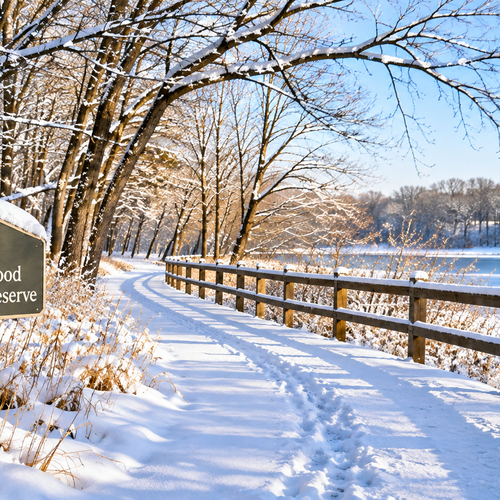

Long Grove is known for its scenic landscapes, spacious properties, distinctive architecture, and historic charm. For buyers who appreciate established neighborhoods and homes with character, the community offers an appealing alternative to newer suburban developments.
However, purchasing an older property requires careful consideration, especially as colder Illinois weather approaches. Aging mechanical systems, insulation deficiencies, roofing concerns, and seasonal maintenance requirements can create unexpected expenses if they are not evaluated before closing.
If you're considering buying an older home in Long Grove before winter, understanding what to inspect can help you make a confident decision while protecting your investment.
For local real estate guidance and available properties, visit buying an older home in Long Grove before winter and explore opportunities with the Helen Oliveri Team.
Understand the Unique Character of Older Long Grove Homes
Older homes often provide architectural details, mature landscaping, and established surroundings that are difficult to replicate in newer construction. Long Grove features a mix of traditional residences, custom-built estates, and properties with distinctive design elements.
While these characteristics contribute to the area's appeal, buyers should recognize that older construction methods and building materials may require specialized maintenance.
Not every older home has the same challenges. The property's renovation history, construction quality, and ongoing maintenance are often more important than its age alone.
Appreciate Original Architectural Features
Traditional woodwork, masonry fireplaces, distinctive windows, and custom details can add personality and value. Buyers should evaluate whether these features are in good condition and understand what may be involved in preserving them.
Review Previous Renovations
Ask about major improvements completed by previous owners, including roofing, electrical upgrades, plumbing replacements, and heating system installations. Available permits, warranties, and contractor records can provide useful information.
Inspect the Heating System Before Cold Weather Arrives
Reliable heating is one of the most important considerations when purchasing an older home in northern Illinois. Long Grove experiences freezing temperatures during winter, making heating system performance essential for comfort and safety.
Older properties may have aging furnaces, boilers, or multiple heating zones that deserve careful evaluation.
Check Equipment Age and Maintenance History
Ask when the furnace or boiler was installed and whether it has received regular professional maintenance. Older equipment may still operate effectively, but understanding its condition can help buyers plan for future expenses.
Evaluate Heating Distribution
Uneven temperatures between rooms may indicate airflow problems, insulation deficiencies, or issues with the heating system. A qualified professional can help determine whether adjustments or repairs are necessary.
Pay Close Attention to Roofing and Attic Conditions
The roof protects the entire home from snow, ice, wind, and moisture. During a winter home inspection, roofing condition should be a priority, particularly when the property has an older roof or complex architectural features.
Long Grove homes with steep rooflines, dormers, chimneys, or multiple roof sections may require additional attention around flashing and drainage areas.
Look for Signs of Roof Deterioration
Missing shingles, damaged flashing, deteriorated sealants, and water stains may indicate existing or previous problems. Buyers should ask about the roof's age, maintenance history, and any known leaks.
Inspect Attic Ventilation and Insulation
Inadequate insulation and ventilation can contribute to heat loss, condensation, and ice dam formation. Evaluating attic conditions before winter may help identify improvements that support energy efficiency and roof performance.
Evaluate Windows, Doors, and Energy Efficiency
Many older properties feature attractive architectural windows and custom exterior doors. Although these elements can enhance the home's character, they may not provide the same insulation performance as modern energy-efficient products.
For Long Grove homebuyers, evaluating air leakage and insulation can provide insight into potential winter heating expenses.
Check for Drafts and Air Leaks
Inspectors should examine accessible areas around windows, doors, and exterior openings for damaged weatherstripping, deteriorated seals, and noticeable drafts.
Consider Window Restoration or Replacement
Original windows may be worth preserving, particularly when they contribute to a home's architectural character. Buyers should compare restoration costs with replacement options before making major decisions.
Review Plumbing Systems and Freeze Protection
Plumbing is another important consideration when buying an older home in Long Grove before winter. Aging pipes, exposed plumbing, and inadequate insulation can increase the risk of freezing or water damage during extremely cold weather.
Buyers should understand the plumbing materials used throughout the home and whether significant updates have been completed.
Identify Vulnerable Plumbing Areas
Pipes located in unheated crawl spaces, exterior walls, garages, or unfinished areas may require additional insulation or freeze protection.
Inspect Water Heaters and Fixtures
Ask about the water heater's age and condition. Check accessible fixtures for leaks, corrosion, drainage issues, and inconsistent water pressure.
Understand Private Well and Septic System Considerations
Some Long Grove properties rely on private wells and septic systems rather than municipal water and sewer services. These systems can function reliably for many years, but they require proper inspection and ongoing maintenance.
Buyers should confirm which utilities serve the property rather than assuming that every home has the same infrastructure.
Arrange Appropriate Well Testing
If the property uses a private well, consider professional water quality testing and an evaluation of the well equipment. Ask about previous testing, pump maintenance, and any known water supply concerns.
Review Septic System Records
For homes with septic systems, request available inspection, pumping, repair, and installation records. A qualified septic professional can help evaluate the system's condition and identify potential concerns.
Examine Foundations, Basements, and Moisture Conditions
Older homes may show signs of natural settling, previous water intrusion, or drainage issues. These conditions deserve careful evaluation, especially when the property includes a finished basement or sits on a large landscaped lot.
Winter conditions can make certain problems more difficult to observe, particularly when snow covers exterior grading and foundation areas.
Look for Water Intrusion Indicators
Musty odors, staining, peeling paint, damaged flooring, and visible moisture may suggest previous or ongoing water problems. A professional inspection can help determine whether additional investigation is necessary.
Review Exterior Drainage
Gutters, downspouts, grading, and drainage systems help direct water away from the foundation. Buyers should evaluate accessible components and consider how melting snow may affect the property during spring.
Inspect Electrical Systems and Safety Features
Electrical systems in older homes may have been updated over time as homeowners added appliances, lighting, entertainment equipment, and other modern conveniences.
Understanding the condition and capacity of the electrical system is important for both safety and future renovation plans.
Evaluate Electrical Panels and Wiring
A qualified inspector or electrician can assess accessible wiring, panel condition, and visible safety concerns. Buyers should ask whether previous electrical work was completed with appropriate permits when required.
Check Smoke and Carbon Monoxide Detectors
Properly installed and functioning safety devices are especially important in homes with fuel-burning heating equipment and fireplaces. Buyers should verify that the property meets applicable safety requirements.
Consider the Maintenance Needs of Mature Trees and Large Lots
One of Long Grove's defining characteristics is its natural environment. Many homes are surrounded by mature trees, wooded areas, and expansive landscapes that contribute to privacy and scenic appeal.
However, these features also create seasonal maintenance responsibilities that buyers should understand before winter arrives.
Evaluate Trees Near the Home
Large branches extending over roofs, garages, or driveways may require professional evaluation. Dead or weakened trees can present additional risks during heavy snow, ice, and strong winds.
Plan for Snow Removal
Long driveways, private roads, and extensive walkways can increase winter maintenance needs. Buyers should clarify snow removal responsibilities and consider the cost of professional services when budgeting for ownership.
Research Historic Preservation and Renovation Considerations
Long Grove is recognized for its historic downtown and distinctive architectural character. However, buyers should not assume that every older property in the village is officially designated as historic or subject to the same preservation requirements.
When evaluating Long Grove historic homes, it is important to determine whether any specific zoning, historic preservation, or architectural review requirements apply to the property.
Verify Property-Specific Restrictions
Before planning exterior changes, additions, or major renovations, buyers should confirm applicable requirements with the Village of Long Grove and review any relevant homeowners association documents.
Budget for Specialized Repairs
Older architectural features may require skilled contractors and materials that differ from those used in modern construction. Understanding these costs can help buyers create a realistic renovation and maintenance budget.
Explore Long Grove Neighborhoods Before Making an Offer
Long Grove offers a variety of residential settings, from established neighborhoods to custom estates on larger properties. Buyers should consider the home's location, lot characteristics, access roads, and nearby amenities alongside its physical condition.
Exploring the local market can also help buyers understand how older properties compare with newer construction in terms of pricing, features, and maintenance expectations.
To learn more about available properties and neighborhood characteristics, explore the Long Grove homes for sale and community guide for local housing information and real estate opportunities.
Compare Property Conditions
Two similarly priced homes may have very different maintenance histories. Consider the condition of major systems, completed renovations, and anticipated repairs when comparing properties.
Consider Long-Term Ownership Costs
Property taxes, heating expenses, landscaping, snow removal, and ongoing maintenance should all factor into your decision when purchasing an established home.
Work With Professionals Experienced in Older Homes
Buying an older property can involve additional questions that may not arise with newer construction. Experienced real estate professionals and qualified inspectors can help buyers understand the property's condition and identify when specialized evaluations are appropriate.
A general home inspection is an important starting point, but it may not cover every system or concern. Depending on the property, buyers may benefit from additional evaluations of chimneys, septic systems, wells, structural components, or other specialized features.
Choose Inspectors With Relevant Experience
Inspectors familiar with older construction methods may be better equipped to recognize age-related concerns and recommend appropriate follow-up evaluations.
Use Findings to Guide Negotiations
Inspection results can help buyers understand potential repair expenses and determine whether to request repairs, negotiate credits, or reconsider certain purchase terms when permitted by the contract.
Conclusion: Make a Confident Purchase Before Winter
Choosing an established property in Long Grove can provide distinctive architecture, mature landscaping, privacy, and a desirable residential setting. However, buying an older home in Long Grove before winter requires careful preparation and a clear understanding of the property's condition.
From heating equipment and roofing to plumbing, insulation, drainage, and electrical systems, a comprehensive winter home inspection can help buyers identify potential concerns before they become expensive surprises.
Whether you're exploring Long Grove historic homes or comparing established luxury properties, taking a thoughtful approach can help you balance architectural charm with practical ownership responsibilities.
For additional insight into the local market and experiences shared by previous clients, visit the Helen Oliveri Team's Google Business Profile to explore reviews and learn more about the team's real estate expertise.
Ready to Find the Right Older Home in Long Grove?
Finding a home with character is exciting, but understanding its condition and future maintenance needs is essential. The right guidance can help you evaluate older properties, navigate inspections, and make informed decisions before winter weather arrives.
If you're considering purchasing an older home in Long Grove, contact the Helen Oliveri Team today. Our local real estate professionals can help you explore available properties, understand important buying considerations, and move forward with confidence.
Check out this article next