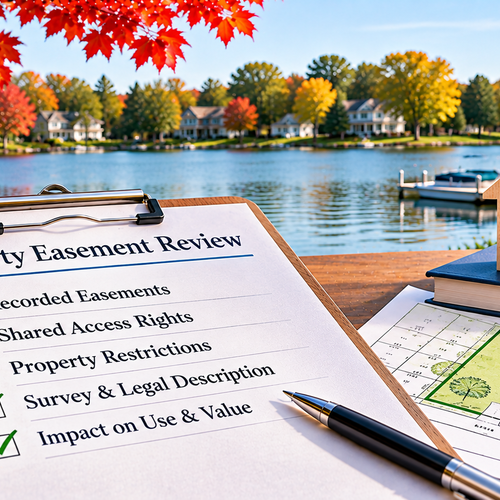


Buying a home in Hawthorn Woods Country Club can offer an appealing combination of distinctive residential architecture, attractive surroundings, and community amenities. However, buyers who envision renovating a kitchen, replacing windows, updating landscaping, or adding outdoor living features should understand that some improvements may be subject to association rules and approval procedures.
When exploring Hawthorn Woods Country Club homes for sale, it is important to evaluate more than the property's appearance and purchase price. Homeowners association documents, architectural standards, municipal regulations, and other recorded restrictions may influence which renovations are permitted, how approval is obtained, and what responsibilities accompany ownership.
Understanding these requirements before closing can help buyers avoid purchasing a property that does not accommodate their intended improvements. Working with experienced local professionals through Hawthorn Woods Country Club home buying guidance can help buyers identify relevant questions, obtain available documents, and coordinate the appropriate due diligence.
Why Association Rules Matter Before Buying in Hawthorn Woods Country Club
Homeowners associations may establish standards intended to govern property appearance, maintenance, and certain exterior modifications. These standards can affect renovation plans even when a buyer owns the home and lot.
The precise Hawthorn Woods Country Club association rules applicable to a particular property must be confirmed through current governing documents and authorized association representatives. Buyers should not assume that every property, housing type, or improvement is subject to identical requirements.
Ownership Does Not Automatically Mean Unlimited Renovation Rights
Property ownership generally provides substantial control over a home, but recorded covenants, association requirements, easements, zoning regulations, and building codes may limit certain projects.
These restrictions should be evaluated before a buyer commits to a renovation-dependent purchase.
Rules Can Affect Project Timing and Cost
Approval procedures, architectural submissions, contractor requirements, and permit reviews can influence when work may begin. Buyers should account for these steps when estimating renovation schedules.
Current Documents Matter More Than Informal Assurances
A seller, neighbor, or contractor may describe what has been allowed previously. However, buyers should verify current requirements directly rather than relying on informal statements about past projects.
1. Obtain the Current Association Governing Documents
The first step in evaluating potential renovation restrictions is requesting the documents that govern the property. These may include declarations, covenants, bylaws, rules, architectural guidelines, and adopted amendments.
Not every document serves the same purpose, and the association may have additional procedures or forms relating to exterior improvements.
Declaration of Covenants and Restrictions
The recorded declaration may establish important rights, limitations, and responsibilities associated with ownership. Buyers should review provisions relating to property use, exterior alterations, maintenance, and architectural control.
Association Rules and Regulations
Rules may address everyday property maintenance, landscaping, parking, exterior appearance, and other community matters. Buyers should determine which provisions could affect their intended projects.
Architectural Review Guidelines
Some associations maintain separate architectural standards or design review procedures. Buyers should request the latest available version and ask whether additional approval forms or submission requirements apply.
Amendments and Updated Policies
Governing documents may be amended over time. Buyers should confirm that the materials provided are current and include applicable changes.
2. Determine Which Renovations Require Association Approval
Not every home improvement necessarily requires the same level of review. Some projects may be permitted without association approval, while others may require a formal application before work begins.
Buyers should confirm the actual requirements rather than assuming that interior renovations are always unrestricted or that every exterior project is prohibited.
Interior Renovations
Kitchen updates, bathroom remodeling, flooring replacement, and other interior projects may involve fewer association concerns than exterior changes. However, structural work, shared building components, or other circumstances may trigger additional requirements.
Exterior Renovations
Projects affecting roofing, siding, windows, doors, trim, paint colors, or architectural features may be subject to design standards. Buyers should verify the applicable approval process.
Outdoor Improvements
Decks, patios, fencing, landscaping, pools, and other outdoor projects may involve association review, municipal permits, setbacks, or easement restrictions.
Structural Additions
Room additions, expanded garages, and significant changes to the home's footprint may require multiple approvals. Buyers should investigate feasibility before relying on these plans as part of the purchase decision.
3. Understand the Architectural Review Process
Architectural review procedures can be an important part of Hawthorn Woods Country Club association rules. Depending on the current governing documents, certain projects may require submission of drawings, specifications, or other supporting information.
Buyers should determine who reviews applications, what documentation is required, and whether there are established response procedures.
Who Reviews Proposed Improvements?
Some associations use an architectural review committee, board approval process, or designated management procedure. Buyers should verify the actual decision-making authority for the property.
What Documents Must Be Submitted?
Applications may require drawings, surveys, material samples, contractor information, or project descriptions. The necessary materials depend on the proposed work and the association's current standards.
How Long Does Approval Take?
Buyers should ask whether the governing documents establish review periods and what happens when additional information is requested. Avoid assuming approval will be immediate.
Can Approval Be Conditional?
An association may approve a project subject to specific requirements, depending on its governing authority. Buyers should understand whether design changes, materials, or other conditions could affect their plans.
4. Evaluate Exterior Design and Architectural Standards
One of the reasons buyers are attracted to established residential communities is the consistency and character of the surrounding homes. Architectural standards may help maintain certain design expectations, but they can also limit renovation choices.
When reviewing Hawthorn Woods Country Club homes for sale, buyers should compare the property's current design with any changes they hope to make.
Roofing Materials and Colors
Replacing a roof may involve restrictions concerning materials, appearance, or color selections. Buyers should verify whether their preferred product is permitted before requesting contractor estimates.
Windows and Exterior Doors
Window replacement may affect the home's exterior appearance. Frame colors, grille patterns, dimensions, or other design characteristics may require review under applicable standards.
Siding, Masonry, and Trim
Exterior material changes may be subject to community guidelines. Buyers should confirm whether replacement materials must match existing construction or meet other design criteria.
Paint and Color Changes
A new exterior color scheme may require approval even when the work does not change the home's structure. Buyers should request applicable color guidelines before making plans.
5. Review Landscaping and Tree-Related Restrictions
Landscaping can be a significant part of a property's appearance and ownership responsibilities. Buyers who want to redesign planting beds, remove trees, install privacy screening, or change grading should understand the applicable rules.
Association standards and municipal requirements may address different aspects of the same project.
Tree Removal and Replacement
Removing mature trees may involve association review or municipal requirements, depending on the circumstances. Buyers should confirm current regulations before assuming that trees can be removed freely.
Privacy Landscaping
Hedges, screening plants, and other landscaping may be subject to height, placement, or maintenance standards. Buyers should verify whether proposed plantings conflict with easements or sightline requirements.
Grading and Drainage Changes
Changing the slope of a yard or installing retaining walls can affect stormwater flow. These projects may require professional evaluation and relevant approvals.
Routine Maintenance Obligations
Buyers should understand whether the association requires particular standards for lawn care, tree maintenance, or landscape appearance. These obligations may affect ongoing ownership expenses.
6. Confirm Rules for Patios, Decks, Fences, and Outdoor Living Areas
Outdoor living improvements are popular considerations for buyers seeking spacious homes and landscaped surroundings. However, these projects can involve multiple layers of review.
Before purchasing, buyers should determine whether their desired improvements are allowed and whether the property's layout can accommodate them.
Patios and Decks
New patios, decks, or substantial modifications may involve design standards, setbacks, drainage requirements, and building permits. Buyers should verify the applicable approval process.
Fences and Enclosures
Fence height, style, material, and location may be regulated by association or municipal rules. Buyers considering fencing for pets, privacy, or children should investigate feasibility before closing.
Outdoor Kitchens and Fire Features
Built-in cooking equipment, fireplaces, and other outdoor features may require permits and compliance with applicable safety standards. Association approval may also be necessary depending on current rules.
Swimming Pools and Spas
Buyers should not assume that a pool or spa is permitted simply because the lot appears large enough. Association rules, setbacks, drainage, utility locations, and municipal regulations can affect feasibility.
7. Check Whether the Property Has Easements or Setback Limitations
Even when an association permits a particular improvement, recorded easements or municipal setbacks may limit where it can be constructed.
These restrictions are particularly important for buyers planning additions, fencing, detached structures, or substantial landscaping projects.
Review the Property Survey
A current or otherwise appropriate survey can help identify property boundaries, improvements, and certain easements. Buyers should discuss the survey's scope and limitations with qualified professionals.
Identify Utility and Drainage Easements
Utility providers or other parties may have rights to use designated areas. Permanent structures or landscaping within these corridors may be restricted.
Confirm Building Setbacks
Municipal zoning and recorded restrictions may establish minimum distances from property boundaries or other features. Buyers should verify the applicable standards for their proposed project.
Do Not Rely on Lot Size Alone
A spacious parcel may have a smaller buildable area than expected because of setbacks, easements, drainage conditions, or other limitations.
8. Understand the Difference Between HOA Approval and Village Permits
Association approval and municipal permitting serve different purposes. Obtaining one does not necessarily satisfy the requirements of the other.
Buyers should determine which approvals are needed and whether the project must comply with building, zoning, electrical, plumbing, or other applicable regulations.
Association Review
An association may evaluate a project's compliance with governing documents and architectural standards. Its approval is limited to the authority established by those documents and applicable law.
Municipal Permits
The Village of Hawthorn Woods may require permits or other approvals for certain construction activities, depending on the property's jurisdiction and proposed work. Buyers should verify requirements with the appropriate local authority.
Contractor Responsibilities
Qualified contractors can help identify technical requirements, but buyers should still confirm that necessary approvals and inspections will be obtained.
Build Approval Time Into the Schedule
Projects requiring both association and municipal review may take longer to begin. Buyers should account for this possibility when planning renovations after closing.
9. Investigate Previous Renovations and Existing Compliance
When evaluating a home, buyers should ask whether significant renovations or exterior changes were completed with any required approvals.
Existing improvements should not automatically be assumed compliant simply because they have been in place for several years.
Request Available Approval Records
For substantial exterior improvements, buyers may ask whether association approvals, permits, inspection records, or contractor documentation are available.
Ask About Outstanding Violations
Buyers should determine whether there are known association notices, unresolved violations, or required corrective actions affecting the property.
Review Unpermitted or Unapproved Work
If a renovation appears to have been completed without required authorization, buyers should consult their attorney and relevant professionals about potential implications.
Understand Responsibility After Closing
Questions about responsibility for existing violations or incomplete approvals should be addressed in the transaction documents and reviewed with a real estate attorney.
10. Evaluate Association Fees, Assessments, and Ownership Obligations
Renovation planning should be considered alongside broader property ownership requirements. Association assessments, maintenance obligations, and possible project-related charges can affect the cost of ownership.
Buyers should verify current amounts and obligations through official association materials rather than relying on general estimates.
Regular Association Assessments
Ask about current assessments, payment frequency, and the services or common expenses they support. Amounts and covered services should be confirmed for the specific property.
Special Assessments
Associations may have mechanisms for collecting additional funds under applicable governing documents and law. Buyers should review available financial information and ask about known or planned special assessments.
Renovation-Related Fees or Deposits
Some associations require application fees, deposits, or other administrative steps for certain projects. Buyers should verify whether such requirements apply rather than assuming they are standard.
Maintenance Responsibilities
Buyers should understand which components they must maintain and whether any areas or services are association-managed. Responsibilities may differ based on property type and governing documents.
11. Distinguish Residential Association Rules From Club Membership Terms
When considering Hawthorn Woods Country Club homes for sale, buyers should distinguish between requirements attached to residential property ownership and any separate terms associated with golf, recreation, or club membership.
These arrangements should not be assumed to be identical or interchangeable. Buyers should verify the actual documents and current terms relevant to the home and any desired amenities.
Confirm Which Organization Governs the Property
Ask for the identity of the applicable homeowners association and any other organization with recorded authority over the parcel.
Verify Membership Arrangements Separately
If access to golf or other club facilities is important, buyers should confirm eligibility, membership categories, costs, and current terms directly with the relevant organization.
Avoid Assuming Club Approval Replaces Property Approval
Permissions relating to recreational facilities do not necessarily determine what residential renovations are allowed. Buyers should identify the appropriate authority for each decision.
12. Compare Renovation Potential Across Available Homes
Two homes with similar asking prices may offer different renovation opportunities. One property may already have the layout and finishes a buyer wants, while another may require significant changes subject to review.
When comparing Hawthorn Woods Country Club homes for sale, buyers should consider both the cost of improvements and the likelihood that proposed changes can be approved.
For a closer look at the neighborhood and available residential options, visit the Hawthorn Woods Country Club community page.
Move-In-Ready Versus Renovation-Ready Properties
A move-in-ready home may reduce the need for immediate approvals and construction. A property requiring updates may offer opportunities for customization, provided the planned work is feasible.
Evaluate the Total Improvement Budget
Buyers should account for contractor costs, design services, permits, association requirements, contingencies, and possible delays. A lower purchase price does not necessarily translate into a lower total investment.
Consider Future Resale Appeal
Renovations should support the buyer's needs while remaining mindful of property value and neighborhood expectations. A local real estate professional can help compare improvements with relevant market activity without guaranteeing future returns.
13. Ask Whether Renovation Plans Can Be Reviewed Before Closing
Buyers with major renovation plans may want to investigate approval requirements before completing the purchase. The extent of any preliminary review depends on the association's procedures and willingness to consider proposals from prospective owners.
Buyers should not assume that informal feedback or a preliminary discussion constitutes binding approval.
Request Current Written Standards
Obtain the guidelines that apply to the proposed improvement. Written requirements provide a more reliable starting point than verbal assurances.
Ask Whether Preliminary Guidance Is Available
The association or its authorized representative may be able to explain application procedures and general requirements. Buyers should clarify whether any response is informational or an official decision.
Consult Design and Construction Professionals
Architects, contractors, and engineers can help evaluate whether a project is technically feasible and estimate its likely scope.
Review Contractual Options With an Attorney
If a proposed renovation is essential to the purchase, buyers should discuss the risks and any available contractual protections with their real estate attorney before submitting or finalizing an offer.
14. Understand What Happens if a Renovation Is Denied
An association may deny or request changes to a proposal when authorized under its governing documents and applicable law. Buyers should understand the potential consequences before relying on a particular renovation plan.
Review the Reason for the Decision
If a project is denied, the written response or applicable procedures may explain which standards were not satisfied.
Consider Alternative Designs
Different materials, dimensions, locations, or architectural details may address certain concerns. Buyers should evaluate alternatives with qualified design professionals.
Understand Appeal or Reconsideration Procedures
Some governing documents may provide procedures for reconsideration or appeal. Buyers should confirm whether such options exist and how they operate.
Do Not Begin Work Without Required Authorization
Proceeding without necessary approvals may lead to disputes, fines, or corrective work where permitted by applicable documents and law. Buyers should understand their obligations before starting construction.
15. Questions to Ask Before Purchasing a Home With Renovation Plans
Buyers should ask specific questions about Hawthorn Woods Country Club association rules before choosing a property that requires substantial changes.
Which Renovations Require Approval?
Ask for written guidance distinguishing projects that require association review from those that do not.
What Architectural Standards Apply?
Review requirements for exterior materials, colors, windows, doors, landscaping, fences, and outdoor structures.
What Is the Approval Process?
Confirm application requirements, review procedures, fees, and any established timelines.
Are There Existing Violations or Unresolved Requests?
Ask about known notices, unapproved improvements, or outstanding compliance matters affecting the property.
What Additional Permits Are Required?
Verify applicable municipal requirements and determine whether specialized plans or professional evaluations will be needed.
Will the Property Accommodate My Intended Improvements?
Consider lot boundaries, easements, setbacks, drainage, existing construction, and other limitations that may affect feasibility.
A Practical Renovation Rules Checklist for Hawthorn Woods Country Club Buyers
Use this checklist to organize your review of renovation restrictions and property ownership requirements before closing.
- Obtain the current association declaration, bylaws, rules, and amendments.
- Request applicable architectural standards and application forms.
- Identify which interior and exterior projects require approval.
- Confirm who reviews renovation applications.
- Ask about submission requirements, fees, deposits, and review procedures.
- Review roofing, window, door, siding, and exterior color standards.
- Investigate landscaping, tree removal, and drainage restrictions.
- Verify rules for fences, decks, patios, pools, and outdoor structures.
- Review the property survey for easements and boundary limitations.
- Confirm municipal permit and zoning requirements.
- Request available records for significant existing improvements.
- Ask about outstanding association violations or corrective actions.
- Verify current assessments and other ownership obligations.
- Distinguish residential association requirements from any separate club terms.
- Obtain contractor estimates for major planned improvements.
- Discuss renovation-dependent purchase decisions with a real estate attorney.
This checklist provides a starting point for evaluating a specific home. Current association documents, municipal requirements, and professional advice should guide final decisions.
How Local Real Estate Expertise Helps Buyers Evaluate Renovation Restrictions
Buying in an association-governed community can involve more detailed document review than buyers initially expect. An experienced local real estate agent can help identify important questions, request available materials, and coordinate communication with the appropriate professionals.
Understanding Property Differences
Homes may vary in architectural design, lot configuration, existing improvements, and renovation potential. Local knowledge helps buyers compare properties based on their actual needs rather than appearance alone.
Coordinating Due Diligence
Real estate attorneys, association representatives, municipal officials, surveyors, architects, and contractors each provide specialized information. A realtor can help keep communication organized while allowing each professional to address matters within their expertise.
Supporting Informed Offer Decisions
If a buyer's plans depend on substantial renovations, the agent can help evaluate comparable homes and discuss practical offer considerations. Legal questions and contractual protections should be reviewed with the buyer's attorney.
Conclusion: Verify Renovation Rules Before Committing to a Home
When comparing Hawthorn Woods Country Club homes for sale, buyers should consider whether the property's current condition and permitted improvement options align with their long-term plans. Understanding Hawthorn Woods Country Club association rules can help identify potential limitations involving exterior changes, landscaping, additions, and other renovations.
By reviewing current governing documents, confirming approval procedures, evaluating municipal requirements, and investigating existing improvements, buyers can approach the purchase with clearer expectations. The goal is to find a home that meets both present needs and realistic future plans.
To learn more about the Helen Oliveri Team's local real estate experience and client service, explore the team's Google Business Profile and client reviews.
Exploring Hawthorn Woods Country Club Homes for Sale? Get Local Buying Guidance
Whether you're searching for a move-in-ready property, considering a home with renovation potential, or comparing different architectural styles, understanding association requirements can help you make a more informed decision.
Helen Oliveri and her team provide personalized buying guidance throughout Hawthorn Woods Country Club and the surrounding Lake County communities. From comparing homes and reviewing market conditions to coordinating due diligence and developing an offer strategy, the team can help you navigate the purchasing process with greater clarity.
Contact the Helen Oliveri Team today to discuss your Hawthorn Woods Country Club home search and explore properties that fit your lifestyle, renovation goals, and ownership priorities.
```Check out this article next