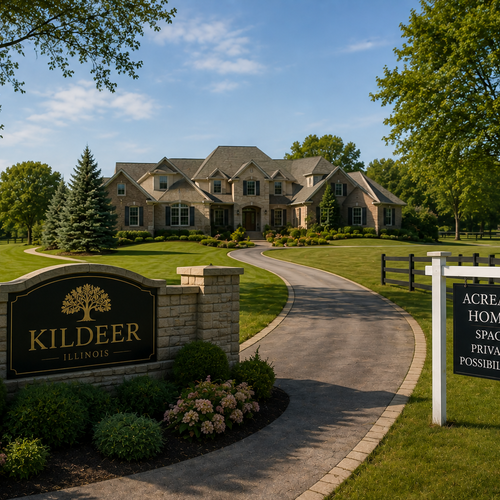

Long Grove is known for larger properties, mature landscaping, custom homes, and a more spacious residential setting than many conventional Chicago suburbs. Those characteristics can be highly appealing to luxury buyers, but some properties may also come with private utility systems that require a different approach to inspections and long-term ownership.
If you're considering buying a home with well and septic in Long Grove, understanding how these systems work before making an offer can help you evaluate the property more confidently. A private well or septic system is not automatically a disadvantage, but buyers should know the condition, capacity, maintenance history, and potential future costs associated with each system.
For local guidance while comparing acreage and luxury properties, visit buying a home with well and septic in Long Grove and learn more about finding the right home throughout Lake County.
Why Some Long Grove Homes Use Private Systems
Long Grove's larger lots and lower-density residential character help create the privacy many buyers seek. Depending on the individual property and location, some homes may rely on private wells, septic systems, or a combination of private and public utilities.
Buyers should verify the actual utility setup for every property rather than assuming neighboring homes are served in the same way.
Larger Properties Can Have Different Infrastructure
Estate-style properties may have been developed differently from homes in denser subdivisions. The home's age, location, neighborhood, and original development plan can all influence which systems serve the property.
Private Systems Require Owner Responsibility
With municipal utilities, much of the infrastructure beyond the home is managed by the public provider. With private systems, the homeowner generally assumes greater responsibility for monitoring, maintenance, and eventual replacement.
Start by Confirming Which Systems Serve the Property
Before evaluating maintenance or replacement costs, determine exactly what the home uses. Do not rely solely on assumptions made during a showing or information from nearby properties.
Review the listing information, seller disclosures, available property records, inspection findings, and other relevant documentation with your real estate and legal professionals.
Ask About Both Water and Wastewater
A property may have a private well, septic system, municipal water, municipal sewer, or another arrangement. Each system should be identified individually.
Verify Rather Than Assume
If having a specific utility setup is important to you, make confirmation part of your due diligence before closing.
Understand How a Private Well Works
A private well draws groundwater for household use rather than receiving water directly from a municipal water system. The well, pump, pressure equipment, plumbing components, and water quality all become relevant considerations for the homeowner.
Buyers evaluating Long Grove private wells should understand that the system's performance depends on more than whether water comes out of the faucet during a showing.
The Well Has Mechanical Components
Pumps, pressure tanks, electrical components, and associated equipment can eventually require service or replacement. Ask about the age of available components and any recent repairs.
Water Quality Deserves Attention
Testing can help buyers better understand the quality of the water serving the home. The appropriate testing should be discussed with qualified professionals based on the property and applicable local requirements.
A Standard Home Inspection May Not Be Enough for the Well
A general home inspector can provide important information about the property, but buyers may also want a qualified specialist to evaluate the private well system when appropriate.
The goal is to understand the condition and operation of the system before becoming responsible for it.
Evaluate System Performance
An appropriate inspection may consider components such as water delivery, pressure, accessible equipment, and other system characteristics based on the individual property.
Ask About Maintenance History
Service invoices, replacement records, water testing results, and other available documentation can provide useful context about how the system has been maintained.
Understand What a Septic System Does
A septic system manages household wastewater on the property rather than sending it through a municipal sewer connection. While designs can vary, these systems generally rely on components that collect and treat wastewater before dispersing it appropriately on the site.
Long Grove septic systems should be evaluated as major property infrastructure rather than treated as an afterthought during the purchase.
The System Is Connected to How You Use the Home
Household occupancy and water usage can affect septic performance. Buyers should understand the system serving the specific property and avoid assuming every larger home has identical capacity.
Maintenance Is Part of Ownership
Private wastewater systems typically require ongoing monitoring and periodic maintenance. Buyers should ask about previous service and follow future recommendations from qualified professionals.
Have the Septic System Properly Evaluated
A septic inspection can be an important part of due diligence when purchasing a property with a private wastewater system. Buyers should work with an appropriately qualified professional and understand what the inspection does and does not evaluate.
If concerns arise, additional investigation may be appropriate before the purchase moves forward.
Review Available Service Records
Ask whether the seller has documentation showing pumping, maintenance, repairs, or previous evaluations. Records can help establish how the system has been managed over time.
Pay Attention to Warning Signs
Slow drainage, unusual odors, wet areas, or other irregular conditions may deserve further evaluation, although the absence of visible symptoms does not replace an appropriate inspection.
Know Where the Well and Septic Components Are Located
Location matters, especially on a large property. Buyers should understand where major components sit in relation to the house, driveway, landscaping, outdoor living spaces, and any future improvements they may be considering.
A beautiful yard can become more complicated if your planned pool, patio expansion, addition, or landscape project conflicts with existing underground infrastructure or applicable restrictions.
Review the Property Survey and Available Records
Available surveys, permits, site plans, and other records may help identify important property features. Your attorney and appropriate professionals can advise you regarding documentation relevant to the transaction.
Do Not Plan Improvements Without Verification
If adding a pool, structure, addition, or significant outdoor improvement is essential to your purchase, verify feasibility before closing rather than assuming the acreage provides enough room.
Larger Lots Are One Reason Buyers Choose Long Grove
Private systems are only one part of the ownership equation. Many buyers accept additional property responsibilities because Long Grove offers the kind of space, privacy, mature landscaping, and custom homes that can be difficult to reproduce in denser suburban communities.
Buyers can explore the Long Grove homes and community guide to learn more about local luxury properties, larger lots, neighborhoods, and the lifestyle found throughout the village.
Privacy Can Offset Additional Maintenance
For some buyers, the benefit of owning more land and having greater separation from neighboring homes outweighs the additional responsibilities associated with the property.
Evaluate the Complete Lifestyle
Consider the home's setting, acreage, privacy, maintenance requirements, systems, location, and amenities together rather than allowing one utility feature to determine the entire purchase decision.
Budget for Maintenance Rather Than Waiting for Problems
Private systems should be treated like other significant home components. Just as homeowners budget for roofing, HVAC equipment, landscaping, and exterior maintenance, well and septic systems deserve their own long-term planning.
Understanding maintenance recommendations and keeping appropriate financial reserves can make ownership considerably easier.
Routine Care Can Be Different From Municipal Utilities
Homeowners may need to schedule testing, pumping, inspections, or other services depending on the system and professional recommendations.
Major Components Can Eventually Need Replacement
No residential system lasts forever. Buyers should evaluate current condition and consider the possibility of future capital expenses when determining an appropriate ownership budget.
Ask About System Age, but Do Not Focus on Age Alone
The installation date can provide useful context, but age should not be the only factor considered. Maintenance history, design, usage, site conditions, previous repairs, and current inspection findings can all influence the condition of a private system.
An older system that has been appropriately maintained may present a different situation from a newer system with unresolved problems.
Condition Is More Important Than a Simple Number
Use professional inspections and available documentation to understand the property rather than attempting to determine remaining life based only on installation year.
Ask About Previous Repairs
Recent work does not necessarily indicate a problem. It may show that the homeowner has appropriately maintained or improved the system. Understand what was done and why.
Think About Water Usage Before Buying
Luxury homes can have significant water demands, particularly when households include multiple occupants or properties have extensive fixtures and outdoor features.
Buyers should consider how their normal routines compare with the home's existing use and discuss any questions about private system capacity with appropriate professionals.
Household Size Can Matter
A property previously occupied by two people may experience different usage under a larger household. Buyers should understand whether the systems appropriately support their anticipated use.
Luxury Features Can Increase Demand
Additional bathrooms, large soaking tubs, multiple laundry areas, extensive irrigation, or other features may affect water usage. Evaluate the home as an entire system rather than looking at individual components in isolation.
Be Careful With Landscaping and Heavy Equipment
The location of underground systems can affect how portions of the property should be used. Significant landscaping projects, construction equipment, hardscaping, or other activities may require additional planning around private utility components.
Before making major changes after closing, understand the system locations and obtain appropriate professional guidance.
Know What Is Underground
A large open yard can look like unrestricted space, but important infrastructure may be located below the surface.
Protect the Systems During Future Projects
Contractors working on landscaping, pools, additions, or other improvements should be made aware of relevant private utility infrastructure before work begins.
Understand How Private Systems May Affect Resale
When you eventually sell, future buyers may ask many of the same questions you are asking today. They may want inspection results, maintenance information, system history, and documentation showing that major components have been properly cared for.
Keeping organized records during your ownership can make those future conversations easier.
Maintenance Records Can Build Buyer Confidence
Documentation showing consistent care can help buyers understand how the systems have been managed rather than forcing them to rely entirely on seller recollection.
A Well-Maintained System Does Not Have to Be a Negative
Buyers who understand larger-lot and estate properties may already be comfortable with private systems. Clear information and appropriate maintenance can help prevent unnecessary uncertainty.
Do Not Let Well and Septic Concerns Distract From the Entire Property
Private systems deserve careful due diligence, but they are only one component of a luxury property. Buyers should still evaluate roofing, HVAC equipment, electrical systems, drainage, trees, landscaping, exterior structures, and the home's overall condition.
On larger Long Grove properties, the land and supporting infrastructure can be just as important as interior finishes.
Build a Property-Specific Inspection Strategy
Identify all significant systems and specialty features before inspections so the appropriate professionals can be involved when necessary.
Evaluate Costs in Context
A property requiring eventual system maintenance may still represent an excellent purchase if its price, location, acreage, home condition, and other characteristics appropriately reflect those considerations.
Questions Buyers Should Ask Before Closing
Before purchasing, buyers should feel comfortable with what systems serve the home, their current condition, and what future ownership may require. Ask for available maintenance records, inspection information, utility details, and documentation associated with major repairs.
Questions involving permits, legal requirements, property boundaries, or compliance should be directed to the appropriate attorneys, inspectors, contractors, county officials, or other qualified professionals.
Understand What You Know and What Still Needs Verification
Keep a list of unanswered questions throughout the inspection and attorney-review process so important utility issues are not forgotten among the many details involved in purchasing a luxury home.
Do Not Skip Specialized Due Diligence
When a property relies on systems outside the scope of a conventional municipal setup, taking additional time to evaluate them before closing can help you make a more informed decision.
Conclusion: Buying a Long Grove Home With Well and Septic
For buyers considering buying a home with well and septic in Long Grove, private systems should be viewed as important property infrastructure rather than an automatic reason to avoid an otherwise attractive home. The key is understanding what you are purchasing before becoming responsible for it.
When evaluating Long Grove private wells, consider water quality, system condition, equipment, maintenance history, and future service requirements. Buyers reviewing Long Grove septic systems should also understand system condition, previous maintenance, location, capacity, and how future property improvements could interact with the system.
To learn more about the team's experience helping buyers navigate unique Long Grove properties, visit the Helen Oliveri Real Estate Google Business Profile and explore client experiences with the team.
Considering a Larger Property in Long Grove?
Well and septic systems are only part of evaluating a Long Grove estate. Lot configuration, privacy, trees, drainage, home condition, utility infrastructure, future improvement plans, and long-term maintenance should all be considered together.
If you're exploring Long Grove homes and want help comparing properties with private utility systems, contact the Helen Oliveri Real Estate Team to discuss your priorities and begin a personalized home search.
Check out this article next