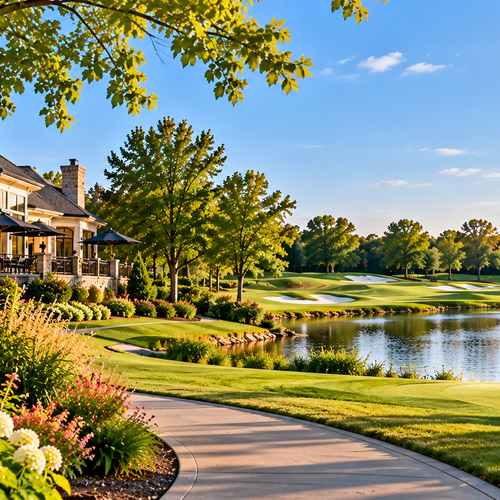

Natural light can dramatically influence how a luxury home feels, yet it is one of the easiest features to misjudge during a single showing. A room that appears bright during an afternoon tour may feel very different in the morning, while mature trees, covered outdoor spaces, neighboring structures, and window orientation can change the amount of sunlight reaching an interior throughout the day.
When evaluating natural light when buying a home in Long Grove IL, buyers should consider more than the number or size of the windows. Directional exposure, room placement, ceiling height, landscaping, privacy, architectural design, and seasonal changes can all affect how comfortably a home uses natural light.
If you're comparing estate properties and want to evaluate both lifestyle and design considerations, visit Long Grove luxury real estate for guidance throughout your home search.
Start With the Direction the Home Faces
Window orientation helps determine when different parts of a home receive direct or indirect sunlight. Understanding the home's general orientation can therefore provide useful context before you begin evaluating individual rooms.
Rather than deciding that one exposure is universally better, consider which rooms receive light at the times when your household expects to use them most.
Think About Morning Light
Rooms with greater eastern exposure can receive stronger morning light. That may be appealing in breakfast areas, kitchens, bedrooms, or other spaces where you enjoy a brighter start to the day.
Consider Afternoon and Evening Sun
Western exposure can bring stronger sunlight later in the day. Buyers should consider whether that works well for family rooms, outdoor entertaining areas, home offices, and other spaces they expect to use during the afternoon or evening.
Don't Judge the Entire Home From One Showing
The time of your appointment can strongly influence your impression of natural light. Touring at midday may make certain spaces appear brighter than they typically feel during the morning or evening.
If natural light is particularly important to you, consider returning to a serious contender at another time of day when practical.
Compare Different Times of Day
A second visit can help you understand whether rooms maintain comfortable brightness or change substantially as the sun moves around the property.
Pay Attention to Artificial Lighting
During a daytime showing, notice how many lamps and overhead fixtures are turned on. A beautifully illuminated room may be relying more heavily on artificial lighting than you initially realize.
Evaluate the Kitchen at the Time You Would Use It
For many households, the kitchen is one of the most frequently occupied rooms in the home. Natural light can influence how inviting the space feels for breakfast, meal preparation, entertaining, and ordinary daily routines.
Consider both direct sunlight and softer ambient daylight when assessing the kitchen.
Look Beyond Windows Over the Sink
Patio doors, adjacent breakfast rooms, skylights, clerestory windows, and openings into neighboring rooms may all contribute to the kitchen's natural illumination.
Check Countertop Work Areas
Observe whether the primary preparation areas receive useful daylight or whether cabinets, architectural elements, or the room configuration create darker work zones.
Study the Family Room and Main Gathering Areas
Large windows can make a family room feel connected to the landscape, particularly on an estate property with mature trees or attractive outdoor views. However, window size alone does not determine how bright the space feels.
Deep roof overhangs, porches, decks, surrounding trees, and room depth can all reduce the amount of light reaching the interior.
Stand Away From the Windows
A room can feel bright when you are standing beside a large window but noticeably darker toward its interior. Walk throughout the room and assess how evenly the light is distributed.
Consider Furniture Placement
Think about where sofas, televisions, artwork, and other furnishings would go. Strong sunlight in an inconvenient location can create glare even when the overall room feels attractive.
Look at Window Placement, Not Just Window Size
Two rooms with similar amounts of glass can have very different lighting characteristics. Windows placed on multiple walls may distribute daylight differently from one large bank of windows facing a single direction.
This makes luxury home window orientation an important architectural consideration when comparing properties.
Multiple Exposures Can Add Dimension
Corner rooms with windows facing more than one direction may receive changing light throughout the day and can feel visually connected to more of the property.
Higher Windows Can Bring Light Deeper Into a Room
Tall windows, transoms, and clerestory windows can introduce daylight while preserving wall space or privacy in certain settings.
Consider Ceiling Height and Room Depth
Large estate homes can contain expansive rooms with high ceilings and substantial depth. These proportions may create impressive architecture, but they can also affect how natural light travels through the space.
A large room with windows concentrated at one end may have significantly darker areas farther from the exterior wall.
Observe the Center of the Room
Instead of evaluating brightness only near exterior walls, stand in the center and at the farthest point from the windows.
Notice Architectural Openings
Open doorways, interior transoms, two-story spaces, and connected rooms can sometimes allow daylight to travel beyond the room where it originally enters.
Pay Special Attention to Mature Trees
Mature landscaping can be one of the most attractive aspects of a Long Grove estate property. Large trees can create privacy, shade, seasonal beauty, and an established setting that newer developments may not offer.
At the same time, dense tree canopies can significantly influence interior light.
Look at Distance From the House
A large tree positioned close to a major window can affect daylight differently from one located farther into the yard.
Think Seasonally
Deciduous trees may provide substantial shade during warmer months while allowing considerably more sunlight through after leaves fall. A property can therefore feel different across the seasons.
Consider Privacy Alongside Natural Light
Large windows can create exceptional views and bright interiors, but buyers should also consider what can be seen from outside. The ideal balance between openness and privacy depends on the property's setting and your preferences.
Estate-sized lots may provide substantial separation, but landscaping, road position, neighboring homes, and window placement still matter.
Look Through the Windows in Both Directions
Don't simply admire the view. Consider what someone standing outside or on an adjoining property could potentially see inside.
Factor in Window Treatments
Privacy may be easily managed with shades or draperies, but those solutions can also reduce natural light. Consider whether you would routinely keep particular windows covered.
Evaluate the Primary Suite at Different Hours
Bedroom lighting preferences are highly personal. Some buyers enjoy waking to strong morning sunlight, while others prefer a darker sleeping environment and softer illumination later in the day.
Consider the primary suite's exposure in relation to your normal schedule.
Check the Sleeping Area
Notice whether direct sunlight would reach the bed and whether window coverings would likely be necessary for comfort.
Evaluate Sitting and Dressing Areas Separately
A large primary suite may contain several zones with different lighting characteristics. A bright sitting area paired with a more protected sleeping area may work particularly well for some buyers.
Assess Natural Light in the Home Office
For buyers who work remotely, office lighting can affect everyday comfort and video conferencing. A windowless or poorly positioned workspace may feel less appealing after several hours of use.
At the same time, direct sunlight on computer monitors can create glare.
Imagine Your Desk Position
Determine where your desk would realistically fit and whether the windows would be in front of, behind, or beside your screens.
Check the Video Background
Strong windows directly behind a desk can create backlighting during video calls. A room with several furniture-placement options may provide greater flexibility.
Don't Ignore Stairways and Interior Hallways
Natural light in transitional spaces can influence the atmosphere of an entire home. A bright staircase or hallway can make rooms feel more connected, while darker circulation areas may create a stronger separation between spaces.
These details are easy to overlook when buyers focus primarily on kitchens, bedrooms, and living rooms.
Look for Borrowed Light
Windows near staircases, open foyers, transoms, and glass doors may allow daylight to reach interior areas without direct exterior windows.
Consider How the Home Feels With Lights Off
During a daytime showing, briefly observing certain spaces without artificial lighting can help reveal their natural brightness.
Evaluate the Finished Basement Differently
Lower-level spaces naturally present different lighting considerations. Window wells, walkout configurations, garden-level designs, and exposure all influence how much daylight reaches a finished basement.
If the lower level is intended to function as a major recreation, office, exercise, or entertainment space, natural light may deserve additional attention.
Walkout Designs Can Feel Different
A walkout portion of a basement may provide larger exterior openings and a stronger visual connection to the yard than fully below-grade areas.
Compare Different Zones
A large basement may be bright near exterior openings and much darker in interior rooms. Evaluate each intended use separately.
Study Covered Porches and Outdoor Structures
Covered patios, screened porches, balconies, and roof extensions can make outdoor living more comfortable, but they may also shade adjacent interior rooms.
Buyers should evaluate the tradeoff between protected outdoor living and interior daylight rather than considering these features independently.
Look at Which Rooms Sit Behind the Structure
A deep covered porch outside a family room can have a different impact than one positioned outside a space where abundant natural light is less important to you.
Consider the Seasonal Benefit
Shade can reduce harsh summer sun and improve outdoor comfort even if it also reduces some direct interior light.
Notice Window Condition as Well as Placement
Excellent orientation matters less if windows are difficult to operate, visibly deteriorated, or approaching replacement. During a luxury home purchase, buyers should consider window condition alongside architectural appeal.
Large quantities of custom windows can also represent a meaningful future maintenance or replacement expense.
Look for Visible Concerns
Condensation between panes, damaged frames, difficult operation, water staining, or deteriorated finishes may deserve further evaluation.
Ask About Replacement History
If some or all windows have been replaced, available invoices, warranties, manufacturer information, and installation dates can provide useful context.
Consider Energy Performance Alongside Sunlight
Large expanses of glass can create beautiful interiors, but window performance, shading, orientation, and construction can influence heating and cooling comfort.
Buyers should avoid assuming that more glass is automatically better in every location.
Notice Temperature Differences
If a room feels substantially warmer or cooler than adjoining areas during a showing, ask questions about HVAC zoning, window performance, insulation, and sun exposure.
Consider Existing Shade Solutions
Exterior landscaping, roof overhangs, interior shades, and other design features may help manage strong seasonal sunlight.
Look at the Relationship Between Windows and Views
Natural light is only one benefit of well-placed windows. In a Long Grove estate setting, windows may frame mature trees, landscaped grounds, water features, gardens, or expansive backyard views.
Thoughtful Long Grove estate home design features often involve the relationship between interior spaces and the surrounding property.
Identify the Best Views
Notice whether the most attractive exterior areas are visible from rooms where your household will spend substantial time.
Check Views From Seated Positions
A view that appears spectacular while standing may be partially blocked once you are seated at a dining table, desk, or sofa. Evaluate rooms from the way you would actually use them.
Think About Seasonal Changes Before Making Conclusions
A Long Grove property toured in July may look significantly different in January. Tree cover, sun angle, daylight hours, landscaping, and weather can all change the way interior spaces feel.
Buyers cannot always tour the same home in multiple seasons, but they can account for these differences when evaluating it.
Ask for Older Listing Photos When Appropriate
Historical photographs, when legitimately available during your research, may provide additional context about landscaping and exterior conditions at other times of year.
Look Closely at the Landscape
Identifying which trees are deciduous and which provide year-round screening can help you anticipate seasonal changes in light and privacy.
Compare Natural Light With Your Actual Lifestyle
There is no single ideal lighting profile for every luxury buyer. Someone who works from home may prioritize a bright office, while an enthusiastic cook may care most about kitchen light. Another buyer may place greater value on sunset views from an outdoor entertaining area.
The most useful evaluation connects the home's design with your daily routine.
Rank the Rooms That Matter Most
Identify where natural light has the greatest impact on your household and evaluate those rooms more carefully than spaces you use only occasionally.
Accept Strategic Tradeoffs
A mature landscape may reduce some sunlight while providing privacy and shade. Large windows may create exceptional views while requiring additional glare control. Consider the complete experience rather than maximizing one feature.
Include Natural Light in Your Long Grove Home Comparison
When comparing estate properties, natural light should be evaluated alongside condition, layout, lot characteristics, privacy, outdoor space, mechanical systems, and other major ownership considerations. Two homes with similar square footage can feel remarkably different because of orientation and architectural design.
Explore the Long Grove homes and community guide as you compare estate properties, neighborhood settings, and the features that shape everyday living.
Take Notes During Every Tour
Record which rooms felt especially bright or dark, the approximate time of your visit, and any landscaping or architectural features affecting the windows. These details can become difficult to remember after touring several homes.
Return to Serious Contenders
If natural light is a major priority, another visit can provide useful perspective before making a final decision.
Conclusion: Evaluate Light as Part of the Home's Overall Design
Successfully evaluating natural light when buying a home in Long Grove IL requires more than counting windows. Orientation, mature trees, ceiling height, room depth, outdoor structures, privacy, seasonal changes, and the time of day can all influence how an estate home feels.
Buyers should also consider how luxury home window orientation works with the property's broader architecture. The strongest Long Grove estate home design features are those that balance natural light, views, privacy, comfort, and the way your household actually uses each room.
For additional local insight and client experiences, visit the Helen Oliveri Real Estate Google Business Profile to learn more about the team's experience helping buyers evaluate distinctive Long Grove properties.
Searching for a Long Grove Estate Home?
Natural light can be difficult to evaluate from listing photography alone. Touring properties with attention to window orientation, landscaping, privacy, and room placement can help you understand how a home is likely to feel during everyday life.
If you're comparing Long Grove estate properties, contact the Helen Oliveri Team for personalized guidance throughout your home search.
Check out this article next