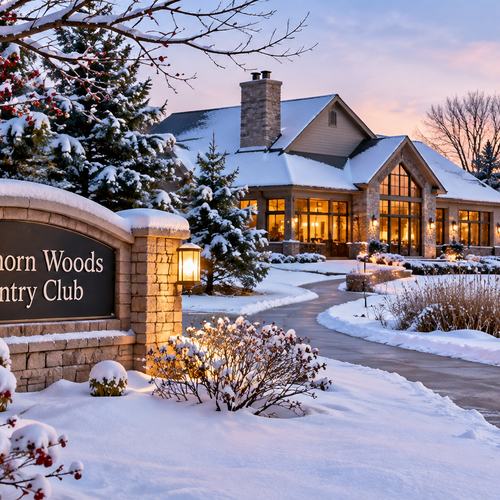


Buying a spacious luxury home in Hawthorn Woods offers plenty of advantages, from generous living areas and private lots to custom features designed for comfort. However, larger properties also come with ongoing expenses that buyers should understand before making a purchase, especially during Northern Illinois winters.
One of the most important considerations is the cost of keeping a large home comfortable when temperatures drop. Understanding heating costs for homes in Hawthorn Woods can help buyers evaluate monthly utility expenses, identify potential maintenance concerns, and make informed decisions about long-term affordability.
If you're considering a luxury property in the area, visit heating costs for homes in Hawthorn Woods to connect with local real estate professionals who can help you evaluate properties and understand the responsibilities of owning a larger home.
Why Heating Costs Matter When Buying a Large Home
Heating expenses can represent a significant portion of a homeowner's winter utility budget. In larger properties, maintaining comfortable temperatures across multiple floors, expansive rooms, and finished basements may require more energy than in smaller homes.
For buyers exploring large homes in Hawthorn Woods, understanding how a property's size, layout, insulation, and heating equipment influence energy consumption is an important part of evaluating ownership costs.
More Square Footage Can Mean Higher Energy Use
Homes with expansive floor plans generally have more space to heat. However, the actual cost depends on factors such as construction quality, insulation, thermostat settings, and the efficiency of the heating system.
Winter Temperatures Increase Heating Demand
Hawthorn Woods experiences cold winters, with periods of freezing temperatures and occasional severe weather. Heating systems may need to operate for extended periods to maintain comfortable indoor conditions.
Review Previous Utility Bills Before Purchasing
One of the most practical ways to estimate heating expenses is to request historical utility information from the seller. Previous bills can provide insight into seasonal energy consumption and help buyers anticipate potential winter expenses.
Although past utility costs do not guarantee future bills, they offer a useful starting point when evaluating a property's operating expenses.
Ask for a Full Year of Utility History
Reviewing at least twelve months of available bills can reveal seasonal fluctuations and provide a more complete picture of annual energy costs.
Compare Similar Properties Carefully
Two homes with similar square footage may have very different utility expenses because of insulation, heating systems, occupancy patterns, and construction quality.
Understand the Heating System Before Making an Offer
Luxury homes may feature multiple furnaces, boilers, heat pumps, radiant floor heating, or zoned temperature controls. These systems can provide excellent comfort, but buyers should understand how they operate and what maintenance they require.
During the Hawthorn Woods home buying process, evaluating heating equipment can help identify potential repair expenses and determine whether the system is appropriate for the property's size.
Check the Age and Condition of Equipment
Ask when furnaces, boilers, and other heating components were installed and whether they have received regular maintenance. Older equipment may operate less efficiently and could require replacement sooner.
Evaluate Multiple Heating Zones
Zoned systems allow homeowners to adjust temperatures in different areas of the property. When properly designed and operated, they can improve comfort and help reduce unnecessary heating in unused spaces.
Insulation and Windows Influence Winter Energy Expenses
A home's insulation and windows play a major role in maintaining indoor temperatures. Even a powerful heating system may struggle to operate efficiently if warm air escapes through poorly insulated areas or gaps around windows and doors.
Buyers evaluating winter home expenses should consider the building envelope alongside the heating equipment itself.
Inspect Attic and Wall Insulation
Proper insulation helps reduce heat loss and maintain consistent indoor temperatures. An energy assessment can identify areas where improvements may be beneficial.
Check Windows and Exterior Doors
Drafty windows, worn weatherstripping, and poorly sealed doors can contribute to heat loss. Addressing these issues may improve comfort and reduce heating demand.
Consider the Impact of High Ceilings and Open Floor Plans
Many luxury homes feature vaulted ceilings, two-story living rooms, and open-concept layouts. These architectural details create attractive interiors but can also affect how heated air circulates throughout the property.
Warm air naturally rises, which can create temperature differences between floors or make certain rooms more difficult to heat evenly.
Evaluate Temperature Consistency
During a showing or inspection, pay attention to rooms that feel noticeably colder or warmer than others. Uneven temperatures may indicate airflow, insulation, or system-balancing issues.
Look for Efficient Air Circulation
Properly configured ceiling fans, ventilation systems, and heating zones can help distribute warm air more evenly throughout large interior spaces.
Explore Hawthorn Woods Luxury Neighborhoods With Ownership Costs in Mind
Hawthorn Woods offers a variety of residential settings, from established subdivisions to custom-built properties with expansive lots. Homes can differ considerably in age, square footage, construction materials, and mechanical systems.
Understanding these differences is essential when comparing the long-term expenses associated with luxury homeownership.
Buyers can explore large homes in Hawthorn Woods and available luxury properties to compare neighborhoods, home styles, and features that may influence maintenance and energy expenses.
Compare Older and Newer Construction
Newer homes may benefit from updated building standards and modern heating technology, while established properties may offer desirable layouts and architectural details. Actual energy performance should be evaluated individually.
Look Beyond the Purchase Price
Property taxes, insurance, maintenance, utilities, and potential homeowners association fees should all be considered when comparing properties.
Budget for Heating System Maintenance and Repairs
Heating expenses extend beyond monthly utility bills. Routine servicing, filter replacements, equipment repairs, and eventual system replacement should also be part of a homeowner's financial planning.
For larger properties with multiple heating units, maintenance responsibilities may be more extensive than those associated with a typical single-system home.
Schedule Regular HVAC Maintenance
Professional inspections and servicing can help identify developing problems, support efficient operation, and reduce the likelihood of unexpected breakdowns during winter.
Plan for Future Equipment Replacement
Buyers should understand the approximate age and expected service life of major heating components. Setting aside funds for eventual replacement can help prevent financial surprises.
Consider Smart Thermostats and Energy-Efficient Features
Modern technology can make heating a large home more convenient. Programmable thermostats, smart controls, and properly configured zoning systems allow homeowners to manage indoor temperatures according to their daily routines.
These features may also help reduce unnecessary energy consumption when rooms or sections of the home are not being used.
Smart Temperature Controls
Smart thermostats can help homeowners create heating schedules, monitor temperature settings, and make adjustments remotely when compatible with the installed system.
Energy-Efficient Heating Equipment
High-efficiency furnaces, properly sized heat pumps, and other modern systems may reduce energy consumption compared with older equipment, depending on installation quality and operating conditions.
Factor Heating Into Your Total Homeownership Budget
For Hawthorn Woods buyers, monthly mortgage payments are only one part of the cost of owning a luxury property. Heating expenses should be evaluated alongside property taxes, homeowners insurance, utilities, landscaping, and ongoing maintenance.
Understanding the complete financial picture helps buyers choose a home that supports both their lifestyle and long-term financial goals.
Estimate Annual Operating Expenses
Instead of evaluating winter heating bills in isolation, calculate an estimated annual utility budget. This provides a more realistic understanding of expenses throughout the year.
Allow Room for Unexpected Costs
Extreme temperatures, equipment repairs, and changing energy rates can affect expenses. Maintaining a financial reserve can make these fluctuations easier to manage.
Work With a Local Real Estate Expert Before Buying
Understanding the practical responsibilities of luxury homeownership can be just as important as evaluating the home's design, location, and amenities. An experienced local real estate professional can help buyers ask the right questions and coordinate appropriate inspections before closing.
When reviewing heating costs for homes in Hawthorn Woods, professional guidance can help buyers identify important considerations and request useful information from sellers.
Ask the Right Questions During Showings
Questions about heating system age, utility history, insulation, and maintenance records can reveal details that are not immediately visible during a property tour.
Use Qualified Inspectors and Contractors
A licensed home inspector or qualified HVAC professional can evaluate equipment condition and recommend additional testing when necessary. A home energy assessment may also help identify opportunities to improve efficiency.
Conclusion: Understand Heating Expenses Before Buying in Hawthorn Woods
Evaluating heating costs for homes in Hawthorn Woods is an important step when purchasing a spacious luxury property. Square footage, insulation, windows, heating equipment, and daily usage patterns all influence how much homeowners may spend during the winter.
Whether you're exploring large homes in Hawthorn Woods or comparing different neighborhoods, reviewing utility history and inspecting mechanical systems can help you make a more informed decision.
Taking time to understand winter home expenses before purchasing allows you to enjoy the comfort and benefits of luxury living while preparing for the responsibilities of homeownership.
To learn more about the Helen Oliveri Team's local experience and client feedback, visit our Google Business Profile and discover why buyers and sellers throughout the Chicago suburbs choose our team for real estate guidance.
Ready to Find the Right Luxury Home in Hawthorn Woods?
Finding a luxury home involves more than choosing the right floor plan or neighborhood. Understanding ongoing expenses, evaluating property condition, and planning for long-term ownership can help you purchase with confidence.
The Helen Oliveri Team can guide you through the Hawthorn Woods real estate market, help you compare available properties, and connect you with resources to evaluate important homeownership considerations.
If you're beginning your Hawthorn Woods home buying journey or have questions about the costs of owning a larger property, contact the Helen Oliveri Team today to schedule a personalized consultation and take the next step toward finding your ideal home.
Check out this article next