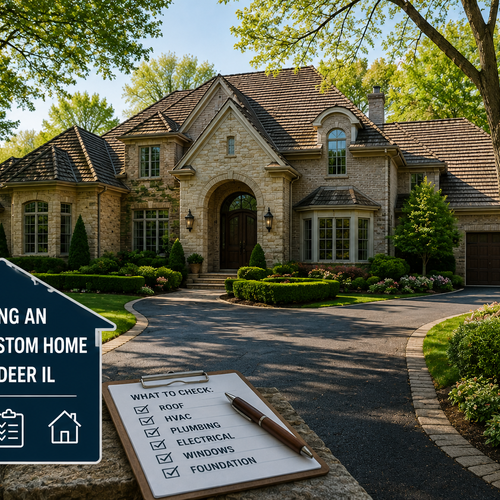

Home age can influence resale value, but it is rarely the only factor buyers consider. In Long Grove, older homes may offer distinctive architecture, mature landscaping, larger lots, and character that can be difficult to replicate in newer construction.
At the same time, buyers may evaluate older properties more carefully for maintenance needs, major system replacements, energy efficiency, and the quality of previous renovations. The result is that age can either support or limit value depending on how well the home has been maintained and updated.
If you're researching how home age affects value in Long Grove IL, understanding the difference between chronological age and actual condition can help you make better pricing and improvement decisions. Visit Long Grove real estate for local guidance on preparing your property for the market.
Home Age Does Not Automatically Determine Resale Value
An older home is not necessarily worth less than a newer one. Buyers often weigh age alongside condition, location, lot size, architecture, renovations, and overall maintenance.
A well-cared-for older property may compete very effectively against newer construction, particularly when it offers features that would be expensive or difficult to recreate today.
Condition Often Matters More Than the Year Built
Buyers tend to respond more positively to an older home with updated systems and consistent maintenance than to a newer property with visible deferred repairs.
Character Can Add Appeal
Architectural details, mature trees, established landscaping, and custom features can give older Long Grove homes a distinct identity that some buyers specifically seek.
Why Older Long Grove Homes Can Be Highly Desirable
Long Grove is known for properties that can feel more individual than homes in conventional subdivisions. Older residences may feature larger lots, established surroundings, and custom architecture that contribute meaningfully to buyer interest.
For some buyers, these characteristics are more important than having the newest finishes or the most recent construction date.
Mature Lots Can Be Difficult to Replicate
Large trees, established landscaping, privacy, and generous outdoor areas take years to develop. These features can become significant selling points for an older property.
Unique Architecture Can Differentiate a Home
Custom layouts, millwork, masonry, and distinctive exterior design can make an older home stand out from newer properties with more standardized features.
Deferred Maintenance Can Reduce Buyer Confidence
Age becomes more problematic when buyers associate it with a long list of upcoming repairs. A property may have attractive character, but visible maintenance issues can quickly affect how buyers evaluate its price.
When determining Long Grove older home resale value, sellers should pay close attention to the condition of expensive components that buyers are likely to investigate during inspections.
Major Systems Matter
Roofing, HVAC equipment, windows, plumbing, electrical components, and water-management systems can all influence buyer perception when they are nearing replacement age.
Small Problems Can Create a Larger Impression
Peeling paint, damaged trim, leaking fixtures, worn flooring, and other visible issues may cause buyers to wonder whether larger maintenance items have also been postponed.
Updates Can Help an Older Home Compete
Renovations can significantly influence how buyers perceive an established home. Updated kitchens, bathrooms, flooring, lighting, and mechanical systems can preserve architectural character while addressing concerns about functionality and condition.
The strongest renovations usually complement the home's original style rather than making different areas feel disconnected from one another.
Kitchens and Bathrooms Receive Attention
Buyers often focus on these spaces because renovations can be expensive and disruptive. Updated rooms may reduce the amount of immediate work buyers feel they need to take on after closing.
Infrastructure Updates Can Be Just as Important
A newer roof or HVAC system may not create the same visual impact as a remodeled kitchen, but documentation of major improvements can provide buyers with additional confidence.
Renovation Quality Matters More Than Renovation Date
A home described as renovated is not automatically more valuable. Buyers may look closely at workmanship, materials, design choices, and whether the updates remain appropriate for the property's price point.
A renovation completed many years ago may itself feel dated, while an older but timeless interior may still present very well.
Consistency Supports Value
A property where the kitchen, bathrooms, flooring, lighting, and architectural details work together often feels more cohesive than one renovated piecemeal over several decades.
Poor Renovations Can Create Additional Work
If buyers believe recently completed improvements need to be removed or redone, those renovations may not contribute as much value as the seller expects.
Energy Efficiency Can Affect Buyer Perception
Older homes may have different insulation, windows, HVAC systems, or building materials from newer construction. Buyers concerned about operating costs may ask more questions about energy efficiency when evaluating an established property.
Sellers who have completed efficiency-related improvements should keep records that can help explain the work to potential buyers.
Windows Can Be a Significant Consideration
Large custom homes may contain many windows, making full replacement a substantial project. Buyers may pay attention to age, condition, failed seals, and visible drafts.
Mechanical Systems Influence Ongoing Costs
Newer heating and cooling equipment can help reassure buyers who are evaluating the expense of operating a larger property.
Functional Layouts Can Matter More Than Age
Buyer preferences evolve over time. Some older homes may contain formal rooms, smaller kitchens, limited mudroom space, or layouts that differ from what today's buyers expect.
However, a thoughtful floor plan can remain highly appealing regardless of when the home was built.
Good Flow Has Lasting Appeal
Homes that provide comfortable connections between kitchens, family rooms, outdoor areas, and everyday entrances may compete well even if their architecture is older.
Not Every Wall Needs to Come Down
Some buyers appreciate defined spaces, especially for home offices, dining rooms, and quieter areas. Sellers should avoid assuming that every older layout needs to be converted into a completely open plan.
Lot and Location Can Offset Concerns About Age
Real estate value is influenced heavily by characteristics that cannot easily be changed. A desirable setting, larger lot, mature trees, privacy, and convenient location may create strong demand even when the home itself is older.
This is particularly relevant in Long Grove, where land and setting can be major parts of a property's overall appeal.
Buyers Can Renovate a Home but Not Recreate Every Lot
Interior finishes can be changed over time. Exceptional acreage, established trees, views, and privacy may be much harder to reproduce.
Evaluate the Complete Property
Age should be considered alongside architecture, condition, outdoor features, land, location, and the home's long-term potential.
Inspection Results Can Influence Resale Negotiations
Older homes may receive additional scrutiny during the inspection process, particularly when major components have limited documentation or are approaching typical replacement periods.
Sellers can prepare by addressing known defects and gathering records for maintenance, repairs, and improvements completed during their ownership.
Documentation Helps Tell the Home's Story
Receipts, warranties, permits when applicable, and service records can help buyers understand how the property has been maintained over time.
Known Problems Are Better Addressed Early
Identifying concerns before listing gives sellers more time to evaluate whether repairs should be completed rather than responding under the pressure of a buyer's inspection contingency.
Pricing an Older Home Requires the Right Comparables
One of the challenges when selling an older home in Long Grove is identifying comparable properties that truly reflect the subject home's characteristics. Simply comparing square footage and bedroom count may not capture meaningful differences.
Custom architecture, acreage, renovations, condition, finished lower levels, outdoor improvements, and property setting can all influence value.
Do Not Compare Only by Year Built
Two homes built in the same decade may have completely different market positions if one has been extensively maintained and renovated while the other remains largely original.
Current Competition Matters
Buyers compare your home with what is available at the time they are shopping. Pricing should account for both recent sales and active alternatives competing for the same audience.
How Long Grove Older Home Resale Value Is Determined
Long Grove older home resale value reflects the entire property rather than a simple depreciation formula based on age. Homes that combine desirable land, strong architecture, thoughtful updates, and proper maintenance can remain highly competitive.
The best way to understand where a specific home fits is to evaluate it against similar properties within the local market.
Explore the Long Grove real estate market to learn more about local homes, neighborhoods, and the types of properties buyers may encounter throughout the community.
Unique Homes Need Individual Analysis
Custom properties cannot always be valued accurately using broad averages. Their individual features, condition, and location require closer comparison.
Buyer Demand Influences Final Value
The value of an older home also depends on how strongly current buyers respond to its combination of character, updates, location, and overall condition.
Which Improvements Should Sellers Make Before Listing?
Not every older home needs a complete renovation before going on the market. In many cases, targeted maintenance and presentation improvements can provide a better balance between cost and buyer appeal.
The right strategy depends on how the home currently compares with competing properties and which issues are most likely to affect buyer perception.
Start With Maintenance
Repairing leaks, damaged surfaces, malfunctioning fixtures, exterior deterioration, and other visible problems can help demonstrate that the property has been cared for.
Then Address Presentation
Fresh paint, updated lighting, professional cleaning, landscaping, and selective cosmetic improvements can make an established home feel brighter and more current without eliminating its character.
Avoid Over-Renovating Immediately Before Selling
Sellers sometimes assume that an older property must be extensively modernized to compete. Large renovation projects, however, can require significant capital without guaranteeing an equivalent increase in sale price.
Before replacing kitchens, bathrooms, flooring, or other major features solely for resale, compare the expected cost with how buyers are responding to similar homes in the market.
Some Buyers Want Renovation Potential
Certain buyers would rather purchase an older home at an appropriate price and choose their own finishes than pay a premium for renovations that do not match their taste.
Spend Where It Improves Confidence
Addressing deferred maintenance and obvious condition concerns may provide greater value than completing highly personalized cosmetic renovations.
Presentation Can Change How Buyers Perceive Age
An older home that feels dark, cluttered, or poorly maintained may appear considerably more dated than its actual condition warrants. Strategic preparation can help buyers focus on architecture, space, and lifestyle rather than age.
Professional cleaning, decluttering, appropriate staging, lighting adjustments, and exterior presentation can all influence the showing experience.
Highlight the Home's Character
Original architectural details and established features should be presented as strengths when they contribute positively to the home's identity.
Show Buyers What Has Been Updated
A clear list of improvements can help buyers recognize investments that may not be immediately visible during a showing.
Conclusion: Age Is Only One Part of a Long Grove Home's Value
Understanding how home age affects value in Long Grove IL requires looking beyond the year a property was built. Condition, maintenance, renovations, architecture, lot characteristics, layout, location, and current buyer demand can all have a greater influence on resale performance.
For homeowners focused on Long Grove older home resale value, the strongest strategy is often to preserve the qualities that make the property distinctive while addressing issues that could create uncertainty for buyers.
If you're considering selling an older home in Long Grove, visit the Helen Oliveri Real Estate Long Grove real estate Google Business Profile to learn more about our local experience and client feedback.
Thinking About Selling an Older Long Grove Home?
Before investing in major renovations or deciding on a listing price, it helps to understand how today's buyers are likely to view your home's age, condition, updates, land, and unique features. A property-specific strategy can help you determine which improvements are worth making and how to position the home effectively.
If you're preparing to sell and want personalized guidance on pricing, improvements, and market positioning, contact the Helen Oliveri Team to discuss the best strategy for your Long Grove property.
Check out this article next