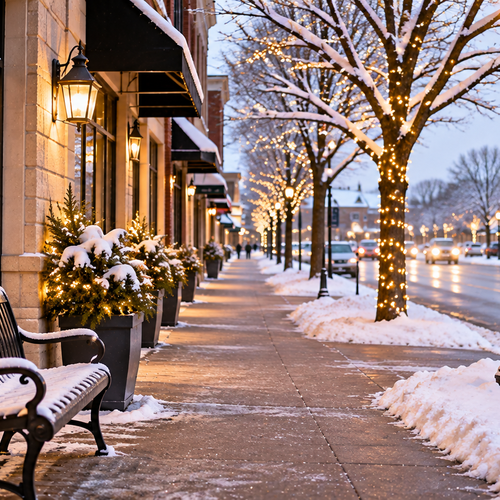


Mundelein, Illinois, offers a variety of residential neighborhoods, including established communities with mature trees, traditional home designs, and properties that have been part of the village for decades. For buyers who appreciate architectural character, spacious yards, and an established neighborhood atmosphere, older homes can offer an appealing alternative to newer construction.
However, buying an older home in Mundelein requires careful evaluation. While an established property may offer desirable features such as mature landscaping, distinctive layouts, and convenient access to local amenities, it may also have aging mechanical systems, outdated materials, or maintenance needs that deserve attention before purchasing.
Understanding what to look for can help buyers recognize both the advantages and responsibilities of owning an older property. If you're beginning your home search, explore buying an older home in Mundelein with guidance from the Helen Oliveri Team and discover local real estate opportunities that fit your goals.
Why Buyers Are Interested in Mundelein's Established Neighborhoods
Established neighborhoods often appeal to buyers because they offer a sense of community identity and residential character that develops over time. Mature trees, landscaped yards, and varied architectural styles can create a distinctive setting.
Many Mundelein established neighborhoods feature homes built during different periods, giving buyers opportunities to compare traditional floor plans, updated properties, and residences with original architectural details.
Mature Landscaping and Established Streetscapes
Older neighborhoods may feature large trees, established gardens, and landscaping that has developed over many years. These elements can contribute to privacy, shade, and an attractive residential environment.
Distinctive Home Designs
Unlike some newer developments with similar floor plans, established communities may include a wider range of architectural styles, additions, and renovation histories. This variety can appeal to buyers seeking a property with individual character.
Understand the Age and Construction History of the Property
One of the first steps when evaluating an older home is understanding when it was built and whether significant renovations have occurred. Construction methods, materials, and building standards have changed over time.
Buyers should not assume that every older property has the same maintenance requirements. A well-maintained home with documented upgrades may differ considerably from one that has received limited improvements.
Ask About the Original Construction Date
The home's age can provide useful context for evaluating roofing, plumbing, electrical systems, insulation, and structural components. Buyers should review available property records and disclosures.
Review Renovation and Addition Records
Ask whether the home has undergone major remodeling, room additions, or mechanical upgrades. When appropriate, verify permits and available documentation with the relevant local authorities.
Schedule a Thorough Mundelein Home Inspection
A professional inspection is especially important when purchasing an older property. While many established homes have been carefully maintained, age-related wear and previous repairs can create conditions that are not immediately visible during a showing.
A detailed Mundelein home inspection can help buyers understand the condition of accessible structural components, mechanical equipment, roofing, plumbing, electrical systems, and other important features.
Choose an Inspector Experienced With Older Properties
Inspectors familiar with established homes may be better prepared to recognize common concerns associated with older construction methods and materials. Ask about their experience before scheduling an appointment.
Consider Specialized Evaluations
Depending on the property's age and inspection findings, additional evaluations by electricians, plumbers, roofing contractors, structural engineers, or other qualified professionals may be appropriate.
Evaluate the Roof and Exterior Materials
Roofing and exterior components protect a home from northern Illinois weather, including rain, snow, freezing temperatures, and seasonal temperature changes. Their condition can significantly influence future maintenance expenses.
When buying an older home in Mundelein, buyers should investigate the roof's approximate age, available maintenance records, and any visible signs of deterioration.
Ask When the Roof Was Last Replaced
Request documentation of roof replacement or major repairs when available. A roof's remaining service life depends on its materials, installation quality, maintenance, and exposure to weather.
Inspect Siding, Masonry, and Exterior Trim
Look for deteriorated wood, damaged siding, cracked masonry, and areas where moisture may enter. Exterior repairs can vary widely in complexity and cost depending on the materials involved.
Review Heating and Cooling Systems Carefully
Older homes may have heating and cooling equipment installed at different times throughout their ownership history. Some properties have modern systems, while others may rely on aging furnaces, boilers, air conditioners, or ductwork.
Because Mundelein experiences cold winters and warm summers, reliable heating and cooling are important considerations for year-round comfort.
Check Equipment Age and Maintenance History
Ask when the furnace, boiler, and air conditioning equipment were installed. Review available service records and determine whether major repairs or replacements have occurred.
Evaluate Comfort Throughout the Home
Rooms that are noticeably warmer or colder than others may indicate insulation deficiencies, airflow limitations, or equipment issues. A qualified HVAC professional can investigate concerns identified during the inspection.
Understand Electrical System Conditions
Electrical systems deserve careful attention in older properties because household power requirements have increased over time. Modern appliances, electronics, and home improvements may place different demands on electrical infrastructure than originally anticipated.
Buyers should confirm that the electrical system is appropriate for the home's current use and any planned renovations.
Review the Electrical Panel
Ask about the panel's age, capacity, and any previous upgrades. A licensed electrician can evaluate whether the system has safety concerns or requires improvements.
Ask About Older Wiring Materials
Some older properties may contain wiring methods or materials that warrant specialized evaluation. Buyers should rely on a qualified electrician rather than assuming that older wiring is either safe or automatically requires replacement.
Inspect Plumbing and Water-Related Systems
Plumbing materials and installation practices have changed considerably over the decades. An older home may contain a combination of original piping and newer components installed during previous renovations.
Understanding the plumbing system can help buyers anticipate potential maintenance responsibilities and identify issues that deserve further evaluation.
Identify Supply and Drain Materials
Ask about the age and condition of accessible water supply and drainage pipes. Certain older materials may require closer examination because of corrosion, deterioration, or other performance concerns.
Check Water Pressure and Drainage
During an inspection, professionals can evaluate accessible fixtures for signs of leaks, drainage problems, and inconsistent water pressure. Significant concerns may justify additional plumbing assessments.
Pay Attention to Basements, Foundations, and Moisture
Many established homes in northern Illinois include basements or lower-level living spaces. These areas can provide valuable storage and usable square footage, but they also deserve careful inspection for moisture and structural concerns.
Seasonal precipitation, snowmelt, grading conditions, and drainage systems can all influence basement performance.
Look for Signs of Previous Water Intrusion
Water staining, musty odors, damaged finishes, or visible moisture may indicate a current or past problem. Ask sellers about known water intrusion and review applicable property disclosures.
Evaluate Drainage Around the Home
Gutters, downspouts, grading, and drainage features help direct water away from the foundation. An inspector can identify visible concerns and recommend further evaluation when necessary.
Consider Insulation and Energy Efficiency
Older homes were often constructed under different energy-efficiency standards than modern properties. As a result, insulation, windows, and air sealing may vary significantly from one home to another.
For Mundelein home buyers, understanding these conditions can help estimate potential heating and cooling expenses.
Inspect Attic and Accessible Insulation
Ask whether insulation has been added or upgraded. A professional energy assessment may help identify opportunities to improve efficiency and indoor comfort.
Evaluate Windows and Exterior Doors
Older windows and doors may contribute to drafts or temperature differences. However, repairs, weatherstripping, and other targeted improvements may sometimes be practical alternatives to full replacement.
Understand Potential Environmental Concerns in Older Homes
Some building materials and environmental conditions deserve additional attention in older residential properties. Depending on the home's age, previous renovations, and inspection findings, specialized testing may be appropriate.
These considerations should be approached carefully, with qualified professionals providing guidance based on the specific property.
Ask About Lead-Based Paint
Federal disclosure requirements generally apply to residential properties built before 1978. Buyers should review applicable disclosures and consider appropriate testing or professional guidance when concerns arise.
Consider Radon and Other Environmental Testing
Radon testing is an important consideration for Illinois homebuyers. Buyers may also wish to investigate suspected asbestos-containing materials or other concerns before undertaking renovations that could disturb older building components.
Explore the Benefits of Mature Trees and Established Landscaping
One of the most attractive features of many Mundelein established neighborhoods is their mature landscaping. Large trees, established gardens, and developed outdoor spaces can create a welcoming residential setting.
However, these features may also require maintenance that differs from the responsibilities associated with newer landscaping.
Evaluate Tree Health and Placement
Large trees can provide shade and privacy, but buyers should consider their condition and proximity to the home. A certified arborist can assess concerns involving damaged limbs, disease, or potential hazards.
Review Landscaping and Drainage
Established landscaping can affect water flow, maintenance requirements, and access to exterior systems. Buyers should evaluate whether outdoor features are manageable within their budget and lifestyle.
Research Neighborhood Characteristics and Local Amenities
Buying an older property is also about choosing a location that supports your daily routine. Mundelein offers residential areas with different levels of access to shopping, parks, schools, transportation, and community destinations.
Established neighborhoods may appeal to buyers seeking traditional streetscapes and convenient connections to familiar village amenities.
Explore the Mundelein homes and community guide to learn more about local neighborhoods, available properties, and the residential opportunities throughout the village.
Consider Access to Downtown Mundelein
Mundelein's downtown area offers local businesses, community destinations, and access to the Metra North Central Service line. Buyers should verify train schedules, station access, and travel times for their specific commuting needs.
Explore Parks and Community Resources
The Mundelein Park & Recreation District and other local organizations provide recreational opportunities and community programming. Nearby parks, libraries, and public spaces may contribute to the appeal of established residential areas.
Evaluate Property Taxes and Ongoing Ownership Expenses
The purchase price is only one component of the cost of homeownership. Property taxes, insurance, utilities, maintenance, and potential renovation expenses should also be considered.
For buyers comparing older and newer homes, understanding these recurring costs can help determine which property offers the best overall fit.
Review Property Tax Information
Ask for available property tax records and verify current information through appropriate county resources. Future taxes may change based on assessments, exemptions, levies, and other factors.
Plan for Maintenance and Repairs
Older homes may require additional upkeep, particularly when major components are approaching the end of their service life. A realistic maintenance reserve can help buyers prepare for unexpected expenses.
Determine Whether Renovations Fit Your Budget
Some buyers are attracted to older homes because they offer opportunities for personalization. Updating kitchens, bathrooms, flooring, or mechanical systems can help tailor a property to modern preferences.
However, renovation plans should be evaluated carefully before purchasing. The cost and complexity of improvements can vary significantly depending on the home's condition.
Prioritize Essential Improvements
Safety concerns, active leaks, structural issues, and major mechanical deficiencies should generally receive attention before cosmetic changes. Professional assessments can help establish an appropriate order of work.
Get Contractor Estimates Before Closing
If renovations are central to your purchasing decision, obtain estimates from qualified contractors when possible. Include contingency funds for unexpected conditions that may be discovered during remodeling.
Compare Older Homes With Newer Construction
Older and newer homes offer different advantages. Established properties may feature mature landscaping, traditional architecture, and distinctive layouts, while newer construction may include modern building systems and contemporary floor plans.
The right choice depends on your preferences, maintenance expectations, budget, and willingness to complete future improvements.
Consider Character and Location
An older home may appeal to buyers who value established surroundings and unique architectural details. However, location and property condition should be evaluated individually rather than assuming every older home offers the same benefits.
Compare Long-Term Costs
Newer homes may have more recently installed systems, while older homes may already include valuable renovations. Review inspection findings, available maintenance records, and estimated future expenses before deciding.
Work With a Local Mundelein Real Estate Professional
Purchasing an older home involves balancing architectural character, property condition, neighborhood features, and long-term financial responsibilities. An experienced local real estate professional can help buyers navigate these considerations throughout the purchasing process.
Knowledge of Mundelein real estate can be particularly valuable when comparing properties with different ages, renovation histories, and neighborhood characteristics.
Understand Comparable Property Values
Recent sales and active listings can help buyers evaluate asking prices. Adjustments may be necessary for differences in condition, square footage, location, and completed improvements.
Navigate Inspections and Negotiations
Inspection findings may lead to discussions about repairs, credits, or other contract terms. A knowledgeable agent can help buyers understand their options within the applicable purchase agreement.
Conclusion: Buy an Older Mundelein Home With Confidence
Buying an older home in Mundelein can offer opportunities to enjoy established neighborhoods, mature landscaping, and distinctive residential architecture. However, making a confident purchase requires careful attention to property condition, maintenance history, inspections, and future improvement costs.
Whether you're exploring Mundelein established neighborhoods, arranging a Mundelein home inspection, or comparing different properties, preparation can help you understand both the advantages and responsibilities of owning an older home.
For additional insight into local real estate and the experiences of other buyers, visit the Helen Oliveri Team's Google Business Profile to explore client reviews and learn more about the team's real estate services.
Ready to Explore Established Mundelein Neighborhoods?
Finding the right older home means identifying a property that offers the character, location, and features you appreciate while fitting your long-term budget and maintenance expectations. With professional guidance and thorough preparation, you can approach the purchasing process with greater confidence.
If you're considering buying an older home in Mundelein, contact the Helen Oliveri Team today for personalized buying assistance, local market insights, and expert guidance throughout your Mundelein home search.
Check out this article next