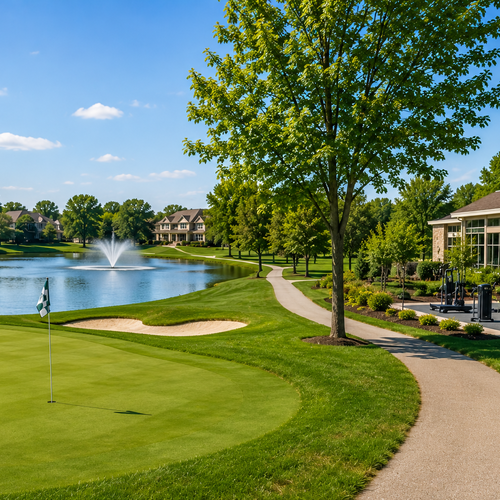

Older luxury homes can offer qualities that are difficult to reproduce in newer construction. Established landscaping, distinctive architecture, larger lots, custom millwork, and unique floor plans can all make an older Long Grove property especially appealing.
At the same time, a beautiful interior does not necessarily reveal the condition of the home's major systems. Luxury properties can have multiple HVAC units, complex roofs, extensive plumbing, finished basements, private utilities, and outdoor improvements that may be expensive to repair or replace.
If you're considering buying an older luxury home in Long Grove IL, a thorough inspection and property-specific due diligence can help you understand what you are purchasing before closing. Visit Long Grove luxury real estate for local guidance throughout your home search.
Start With the Roof and Exterior
The roof is one of the first major components to investigate because replacement costs can become significant on a large home. Older luxury properties may have complex rooflines, multiple elevations, skylights, chimneys, or specialty roofing materials that deserve careful evaluation.
The inspection should also consider exterior materials and visible areas where water could potentially enter the structure.
Determine the Roof's Approximate Age
Ask when the roof was installed and whether substantial repairs have been completed. Available invoices, warranties, and maintenance records can provide useful context.
Look Beyond the Shingles
Flashing, gutters, downspouts, skylights, chimneys, soffits, fascia, and roof penetrations can also affect the performance of the roofing system.
Evaluate the Foundation Carefully
Foundation concerns deserve attention in any home, but the potential repair costs can become more substantial with larger or more complex properties.
A general home inspector can identify visible conditions that may warrant additional evaluation. When significant concerns arise, buyers may need advice from an appropriately qualified specialist.
Look for Visible Signs of Movement
Cracks, uneven surfaces, doors that do not operate properly, or other visible conditions may deserve further investigation rather than assumptions about their cause.
Ask About Previous Foundation Work
If repairs have been completed, request available documentation, warranties, engineering information, or contractor records where applicable.
Pay Close Attention to Basement Moisture
Finished basements can be a major feature of older homes in Long Grove, providing recreation rooms, bars, offices, gyms, theaters, and guest spaces. Extensive finishes, however, can make some areas of the foundation less accessible for inspection.
Buyers should pay attention to visible signs of past or current water intrusion and understand the home's drainage and water-management systems.
Watch for Moisture Indicators
Musty odors, staining, damaged flooring, repaired drywall, efflorescence, or other visible evidence may justify additional investigation.
Review Sump and Drainage Systems
Understand what equipment is installed, whether backup systems are present, and what maintenance has historically been required.
Inspect Grading and Exterior Drainage
On larger Long Grove properties, evaluating the land surrounding the home can be just as important as inspecting the structure itself. Water should be managed appropriately around foundations, patios, retaining walls, driveways, and landscaped areas.
Drainage issues can affect basements, foundations, landscaping, and outdoor improvements if they are not properly addressed.
Walk the Entire Property
Look for visible low areas, erosion, standing-water evidence, drainage structures, and grading conditions around the residence.
Check Downspout Discharge
Inspect how roof runoff is directed and whether visible drainage components appear to move water appropriately away from the structure.
Understand the Age of Every HVAC System
A larger luxury home may contain multiple furnaces, air-conditioning units, boilers, thermostats, humidifiers, radiant heating components, or separate climate zones. Replacing several aging systems within a short period can become a meaningful ownership expense.
A detailed Long Grove luxury home inspection should identify the major equipment serving different parts of the property.
Document Equipment Ages
Determine the approximate age and available service history of each major HVAC component rather than considering the home's heating and cooling as a single system.
Test Different Zones
Homes with zoned heating and cooling should be evaluated with attention to the different areas and equipment involved.
Review the Electrical System
Older homes may have experienced multiple electrical changes as owners added appliances, renovations, outdoor amenities, entertainment equipment, workshops, or other features.
The visible electrical system should be evaluated as part of the inspection, with specialized electrical review considered when findings or planned future uses warrant it.
Inspect Panels and Accessible Components
Your inspector can identify visible conditions that may require attention from a qualified electrician.
Think About Future Electrical Demand
If you plan to add electric vehicle charging, a pool, workshop equipment, major appliances, or additional technology, investigate whether electrical modifications may be needed.
Investigate the Plumbing System
Large luxury homes can contain extensive plumbing systems with multiple bathrooms, wet bars, laundry areas, water heaters, outdoor fixtures, and other components.
Buyers should consider visible supply and drain components, water pressure, fixtures, water-heating equipment, and evidence of previous leaks.
Look for Evidence of Past Leaks
Staining, damaged cabinetry, repaired ceilings, deteriorated flooring, or other visible conditions may indicate that further investigation is appropriate.
Understand the Water-Heating Setup
Determine what equipment serves the property, its approximate age, and whether the system appears suitable for the home's size and number of fixtures.
Evaluate Private Well Systems When Applicable
Some Long Grove properties may rely on private wells. Buyers accustomed to municipal water should understand that owning a private well involves different inspection, testing, and maintenance considerations.
A specialized well evaluation can provide information beyond what is typically included in a standard home inspection.
Consider Appropriate Water Testing
Work with qualified professionals to determine which water tests are appropriate for the property and transaction.
Ask About Well Equipment
Review available information about the well, pressure equipment, pumps, water-treatment systems, and previous service or repairs.
Have the Septic System Evaluated When Applicable
A private septic system is another important consideration when buying an older luxury home in Long Grove IL. Buyers should understand the system's condition, approximate age, maintenance history, and location on the property.
A specialized septic inspection may provide important information that a conventional home inspection does not cover.
Request Maintenance Information
Ask about pumping history, repairs, replacement work, and other available service records.
Understand the System's Location
The location of septic components may be relevant if you eventually want to add a pool, addition, landscaping, or another improvement to the property.
Inspect Windows and Exterior Doors
Older luxury homes can have a large number of windows, including oversized units, custom shapes, skylights, and specialty doors. Replacing many of these components can become expensive.
Inspectors can look for visible deterioration, difficult operation, failed seals, moisture evidence, and other conditions that may require attention.
Consider the Number of Windows
A few aging windows represent a different financial consideration than dozens of custom units approaching replacement at approximately the same time.
Pay Attention to Custom Sizes
Specialty windows and doors may involve different replacement costs and lead times than standard components.
Inspect Chimneys and Fireplaces
Fireplaces can add considerable character to an older luxury home, but they also introduce components that require proper maintenance. A large property may contain several fireplaces of different types.
Depending on their condition and construction, a specialized fireplace or chimney inspection may be appropriate.
Identify Each Fireplace Type
Determine whether fireplaces are wood-burning, gas, or another configuration and understand how each should be operated and maintained.
Ask About Previous Service
Cleaning, inspection, repair, and maintenance records can provide useful background when available.
Review Renovations and Additions
An older luxury property may have undergone decades of renovations. Kitchens may have been expanded, bathrooms remodeled, basements finished, walls moved, and additions constructed.
Those improvements can add tremendous appeal, but buyers should understand what work was completed and review available documentation for significant projects.
Ask About Permits
For major renovations and additions, investigate available permit information and discuss any concerns with the appropriate professionals or local authorities.
Look for Differences in Workmanship
Renovations completed by different owners or contractors over many years may vary in quality. Pay attention to how remodeled areas integrate with the original structure.
Do Not Let Updated Finishes Distract From Older Systems
A recently remodeled kitchen or primary bathroom can make an older property look substantially newer than it actually is. Buyers should still investigate the age and condition of systems hidden behind the finishes.
Cosmetic renovations and infrastructure improvements are not necessarily the same thing.
Ask What Was Updated Behind the Walls
If substantial renovations were completed, available documentation may help clarify whether plumbing, electrical, insulation, or other systems were updated at the same time.
Create a Major-System Timeline
Knowing the approximate ages of the roof, HVAC equipment, water heaters, windows, and other components can help you anticipate future expenses.
Inspect Pools and Outdoor Amenities
Luxury properties may include pools, spas, outdoor kitchens, fireplaces, patios, irrigation systems, landscape lighting, retaining walls, or other extensive exterior improvements.
These features can enhance the lifestyle of the property while also creating additional maintenance responsibilities.
Use Specialists Where Appropriate
A pool, spa, or other complex amenity may deserve evaluation by a professional who specializes in that particular system.
Inspect Hardscaping
Review patios, walkways, retaining walls, exterior stairs, and other improvements for visible deterioration or conditions requiring additional attention.
Evaluate Mature Trees and Landscaping
Established trees and landscaping are among the features that can make older homes in Long Grove particularly attractive. They can provide privacy, shade, and a setting that would take decades to reproduce.
However, mature landscapes also require maintenance and should be included in your evaluation of the property.
Consider an Arborist When Necessary
If large trees appear damaged, unhealthy, or potentially problematic, a qualified arborist can provide more specialized information.
Understand Landscape Maintenance
Extensive lawns, plantings, irrigation systems, and mature trees can require a larger ongoing maintenance budget than a smaller conventional lot.
Review Specialty Systems and Equipment
Custom luxury homes may contain standby generators, elevators, smart-home equipment, security systems, central vacuum systems, water-treatment equipment, whole-house audio, or other specialized features.
Do not assume that every system is fully evaluated during a standard home inspection.
Clarify the Inspection Scope
Before inspection day, ask which specialty systems the inspector evaluates and which may require another professional.
Request Manuals and Service Records
Documentation can make complicated systems easier to operate and maintain after closing.
Use the Inspection to Estimate Future Ownership Costs
The purpose of a Long Grove luxury home inspection is not simply to identify defects. It can also help buyers understand what maintaining the property may require during the first several years of ownership.
An older home with excellent maintenance history may be a better fit for some buyers than a newer property with deferred maintenance. Condition matters more than age alone.
Separate Immediate Repairs From Future Projects
Some findings may require prompt attention, while others simply indicate systems that should be monitored, serviced, or eventually replaced.
Maintain a Realistic Reserve
Buyers of larger older properties may benefit from keeping sufficient funds available for maintenance and unexpected repairs after closing.
Understand the Long Grove Luxury Market
The inspection findings should ultimately be evaluated within the context of the property's price, location, acreage, architecture, improvements, and competing inventory. An older home does not automatically represent a poor purchase simply because some components are approaching replacement.
Explore the Long Grove community and luxury homes to learn more about local properties and the distinctive housing options available throughout the area.
Compare Condition, Not Just Age
Two homes built in the same decade can have dramatically different maintenance histories and future ownership needs.
Consider What Cannot Easily Be Replaced
Exceptional acreage, mature landscaping, architecture, privacy, and location may provide qualities that buyers cannot simply add through renovation.
Conclusion: Inspect Beyond the Beautiful Finishes
When buying an older luxury home in Long Grove IL, a thorough inspection should extend well beyond cosmetic finishes. Roofs, foundations, drainage, HVAC equipment, electrical systems, plumbing, windows, fireplaces, private utilities, renovations, landscaping, and specialty amenities can all influence future ownership costs.
A comprehensive Long Grove luxury home inspection can help buyers distinguish between normal maintenance, future projects, and conditions requiring additional investigation. With older homes in Long Grove, understanding the complete property can help you make a more informed purchasing decision.
For additional local insight and client experiences, visit the Helen Oliveri Real Estate Long Grove real estate Google Business Profile.
Considering an Older Luxury Home in Long Grove?
Older luxury properties can offer exceptional architecture, land, privacy, and character, but understanding their systems and maintenance history is an important part of evaluating the complete investment.
If you're exploring luxury properties and want local guidance through showings, inspections, and due diligence, contact the Helen Oliveri Team to start your Long Grove home search.
Check out this article next